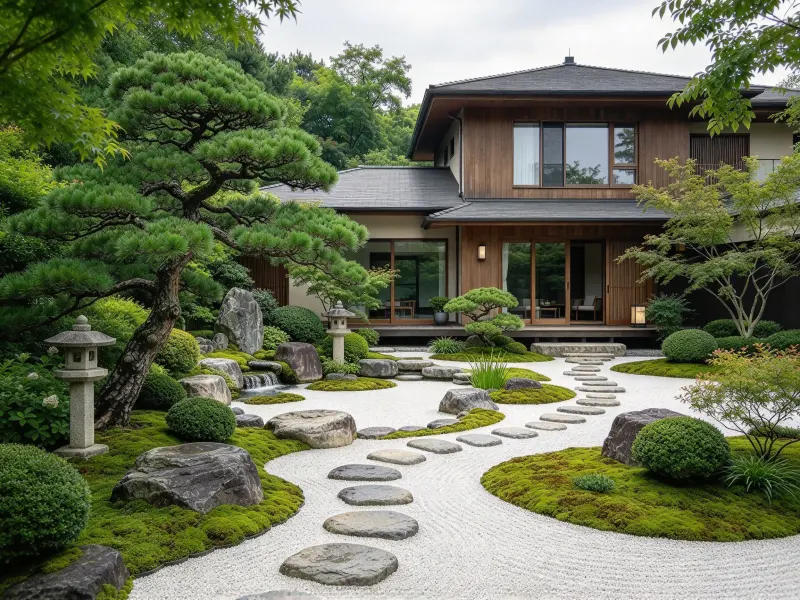
Japanese Garden
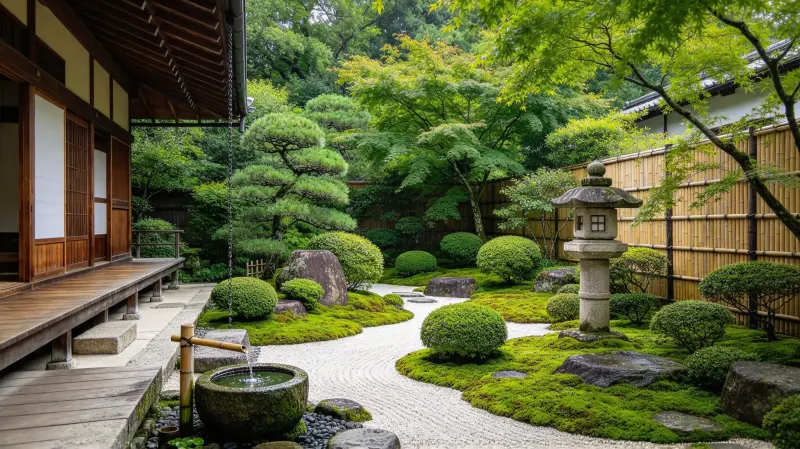
Core elements: Pines, moss, natural boulders, still ponds, stepping stones, gravel, and carefully framed views.
Description: Refined natural scenes, open space, and precise composition create a calm garden made for slow looking.

Asian Garden design brings stone, foliage, water, and architectural detail into a composed outdoor retreat. Explore regional traditions and modern interpretations shaped for real yards, patios, and courtyards.
Explore Asian Garden Styles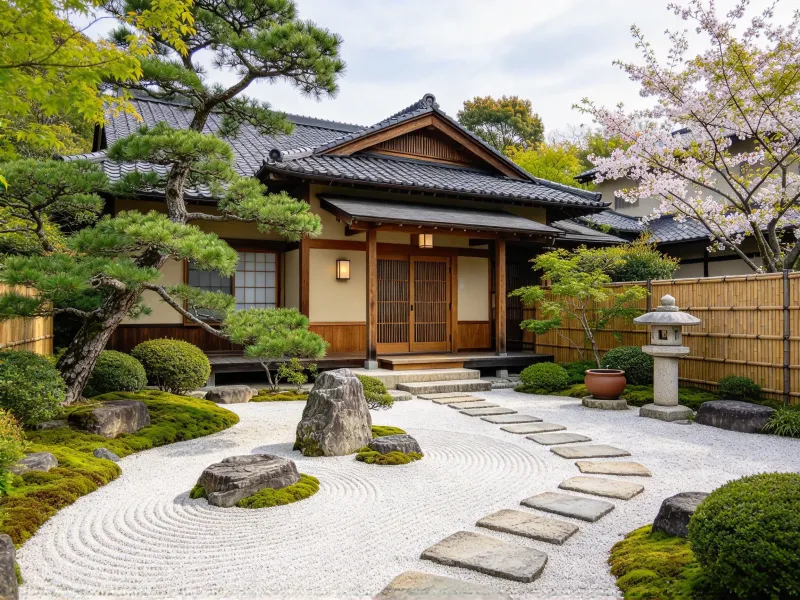
A landscape tradition shaped by place, balance, and experience.
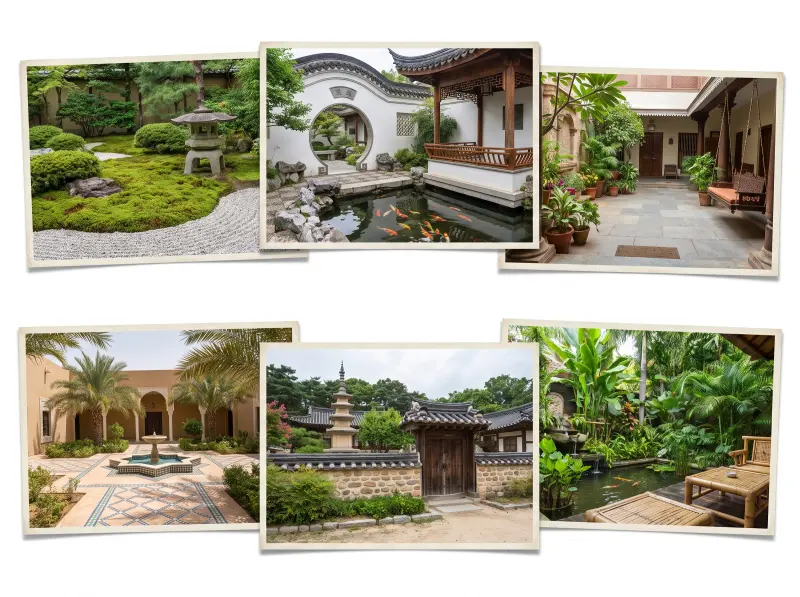
Good Asian garden design favors composition over decoration. Paths slow the journey, planting creates depth, and a single tree, pond, gate, or rock group can hold attention. The goal is not to copy a historic garden exactly, but to select a clear influence and adapt its ideas to your climate, home, and daily life.
An Asian Garden is not one fixed look. It is a broad family of regional traditions that use plants, stone, water, and built details to shape how a space is approached, viewed, and enjoyed. A Japanese courtyard, Chinese scholar garden, or Balinese retreat can feel very different while sharing a deliberate relationship with nature.
Across Asia, garden traditions respond to local climate, materials, beliefs, and ways of living. These Asian garden styles use layout, planting, water, stone, and architecture to create distinctly different outdoor moods.
Core elements: Pines, moss, natural boulders, still ponds, stepping stones, gravel, and carefully framed views.
Description: Refined natural scenes, open space, and precise composition create a calm garden made for slow looking.
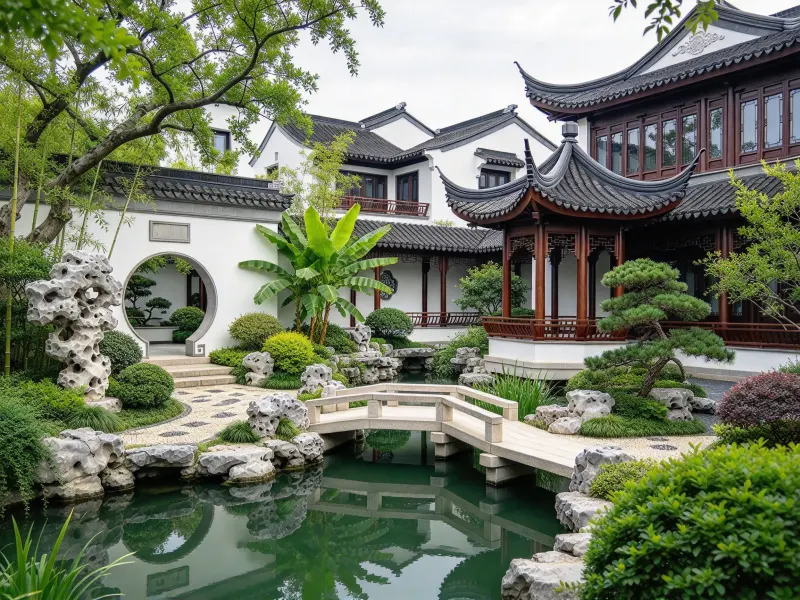
Core elements: Taihu rocks, moon gates, pavilions, curved bridges, water, layered planting, and framed scenes.
Description: Rock, water, and architecture build a shifting landscape with depth, surprise, and poetic views.
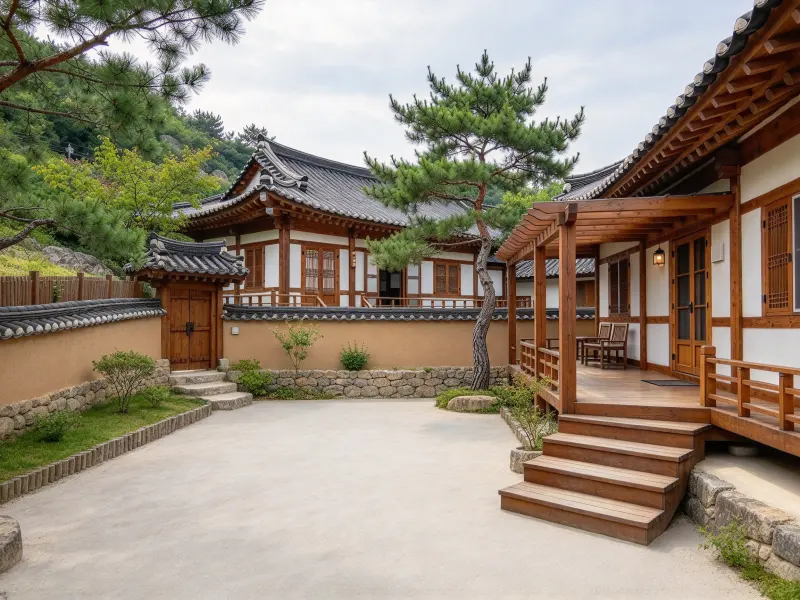
Core elements: Hanok buildings, gentle terrain, ponds, pine trees, timber details, native planting, and open yards.
Description: Simple forms connect everyday living spaces with the existing land, seasons, and natural materials.
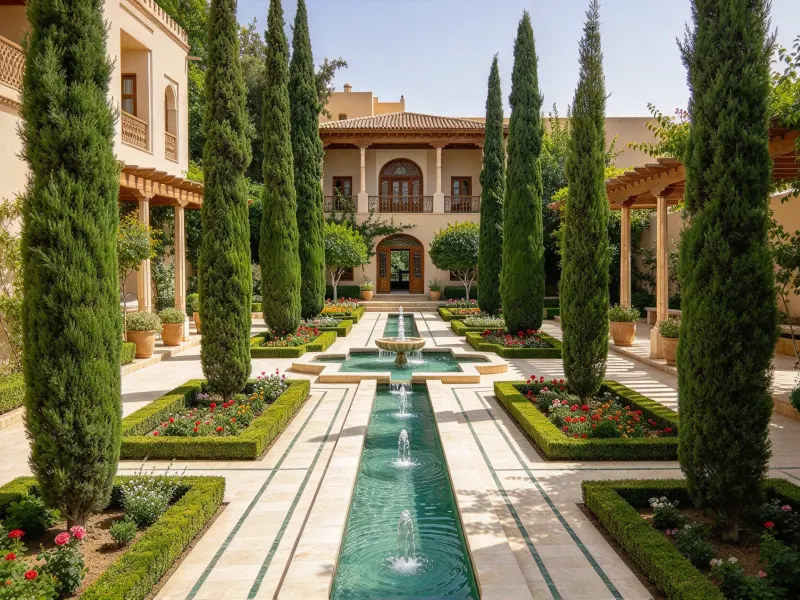
Core elements: Strong axes, four-part water channels, central pools, cypress trees, geometric beds, and shade.
Description: Orderly geometry and moving water create shade, symmetry, and relief within a warm, enclosed setting.
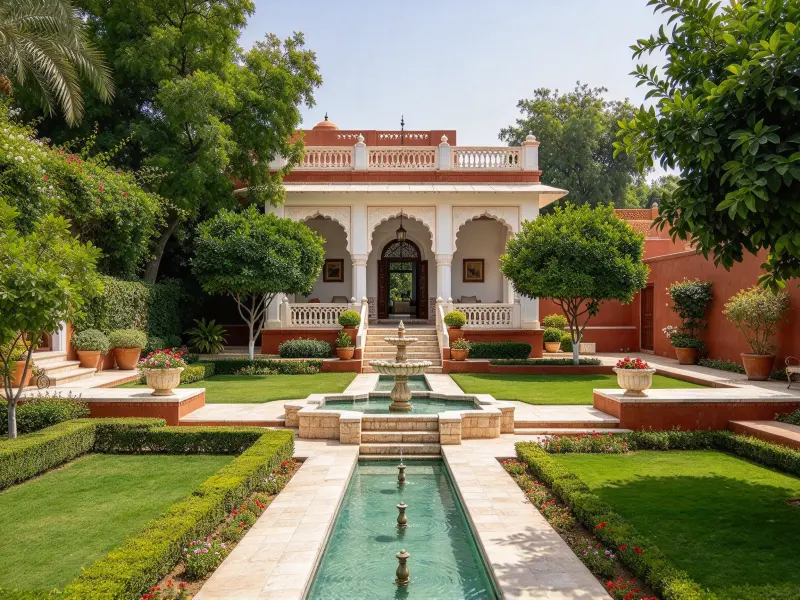
Core elements: Symmetrical axes, channels, fountains, stone terraces, formal planting, and palace-like garden views.
Description: This formal South Asian tradition pairs carved stone, water lines, and architecture in a grand composition.
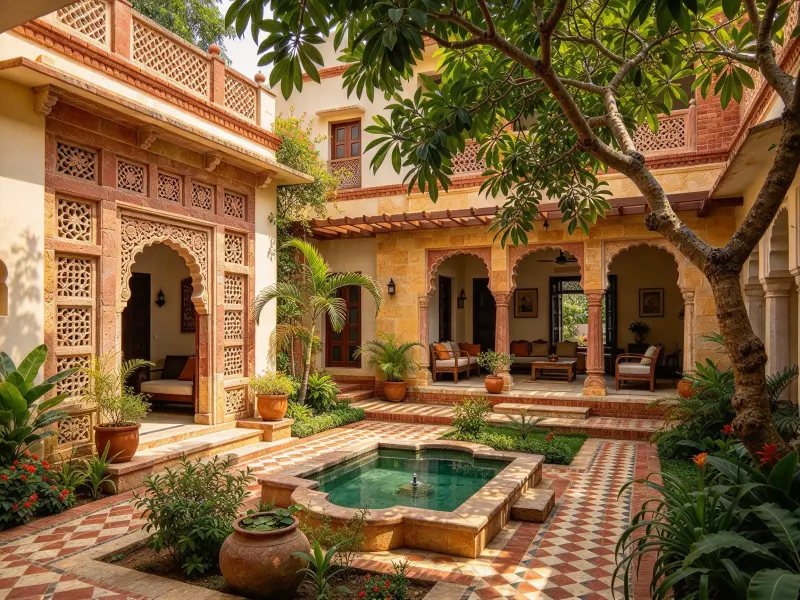
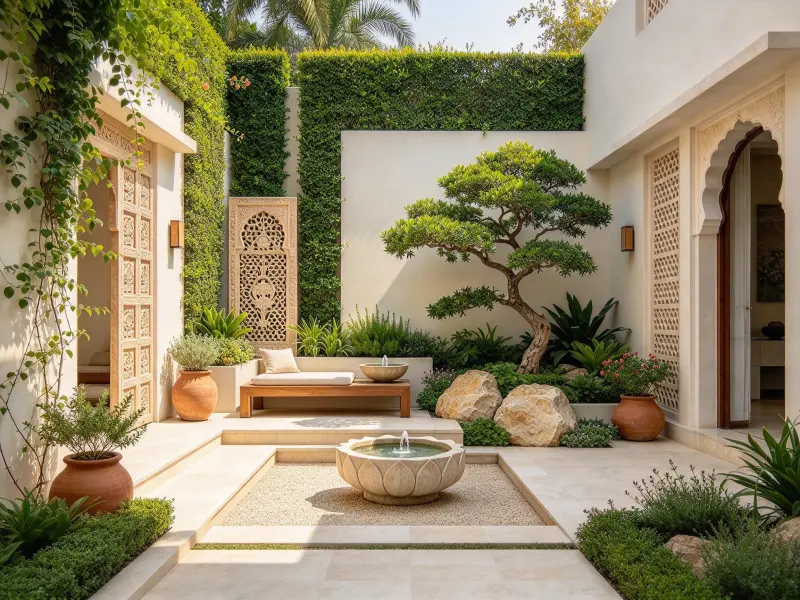
Core elements: Carved stone, pierced screens, courtyards, water basins, tropical plants, and regional materials.
Description: Diverse regional gardens combine climate-ready planting, decorated architecture, shade, and intimate courtyards.
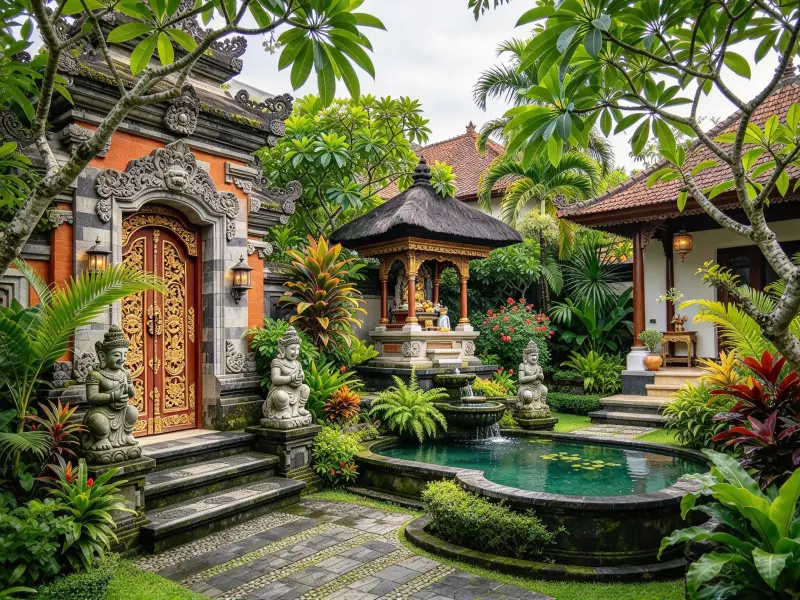
Core elements: Carved stone gates, tropical foliage, statues, water pools, courtyard shrines, and lush layered planting.
Description: Dense greenery and handcrafted details make a sensory garden where nature and buildings feel closely linked.
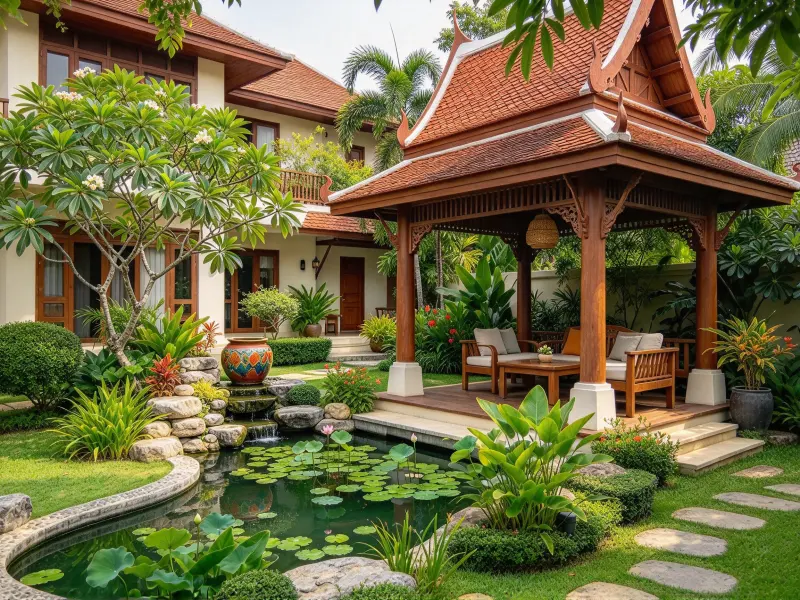
Core elements: Timber salas, lotus ponds, tropical foliage, stone accents, ceramic vessels, and traditional roof details.
Description: Restful pavilions, water, and rich planting bring a relaxed tropical character to outdoor gathering spaces.
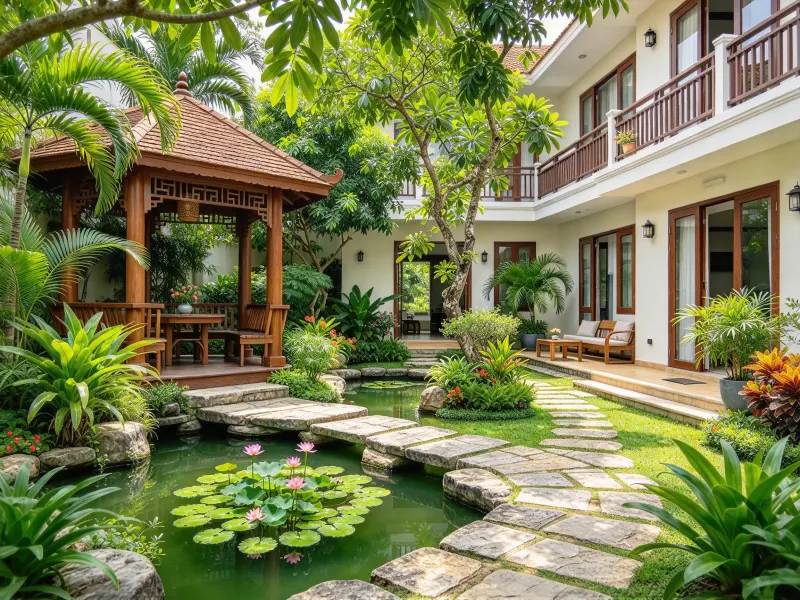
Core elements: Lotus ponds, timber structures, tropical plants, natural stone paths, airy courtyards, and shade trees.
Description: Water, ventilation, and locally suited planting shape a garden that feels cool, practical, and connected to home.
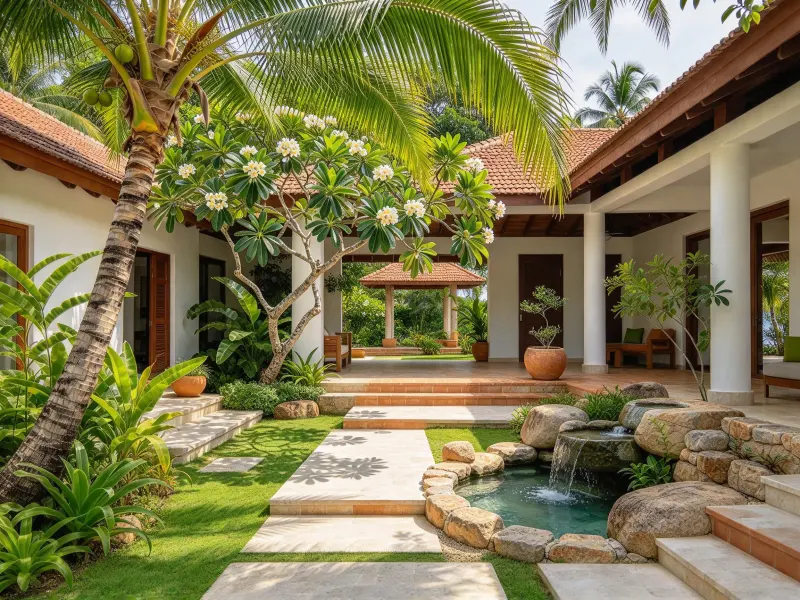
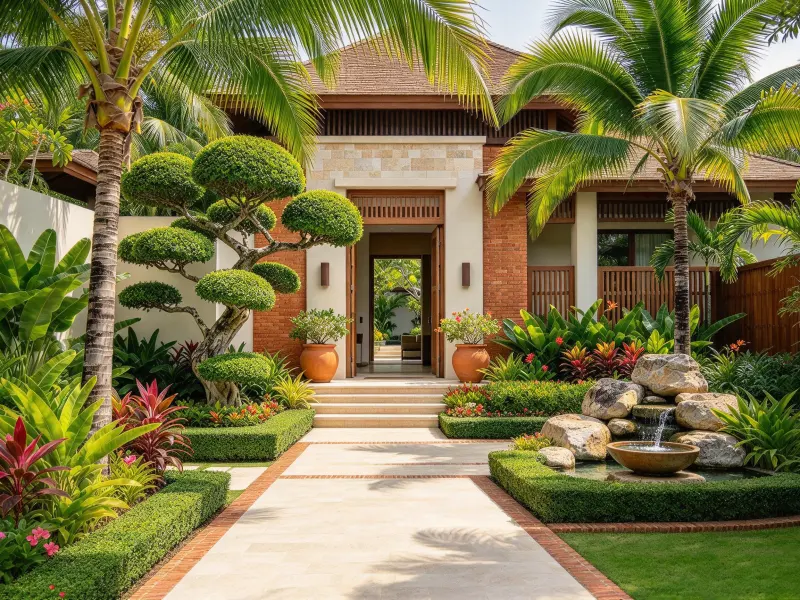
Core elements: Palms, frangipani, tropical layers, natural stone, water features, shaded terraces, and courtyard planting.
Description: Island planting and tactile materials create a lush transition between indoor rooms and the surrounding landscape.
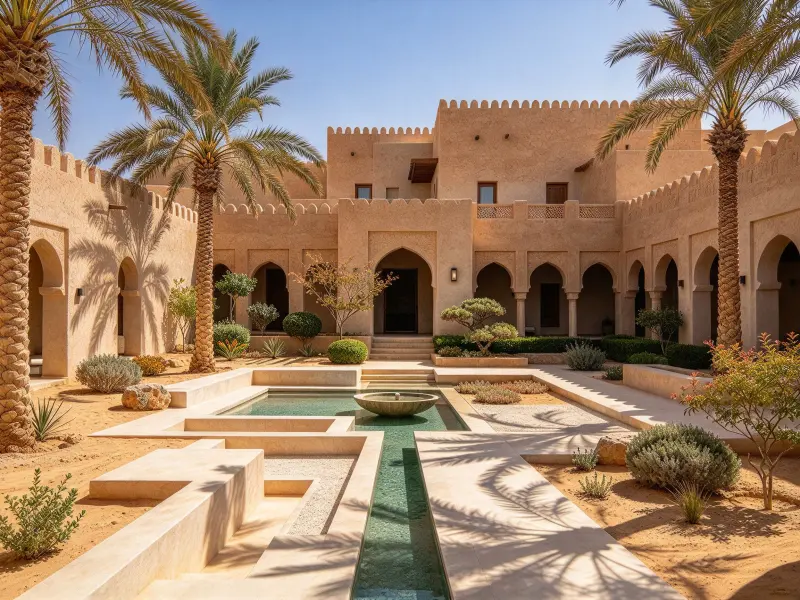
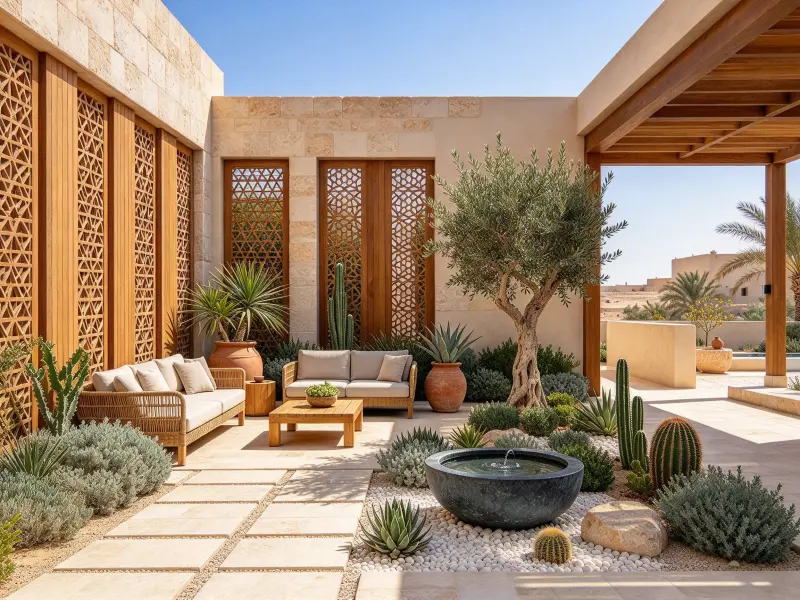
Core elements: Sandstone, enclosing walls, date palms, geometric basins, drought-tolerant planting, and deep shade.
Description: Water-wise planting, pale surfaces, and shelter from the sun make dry-climate courtyards feel welcoming.
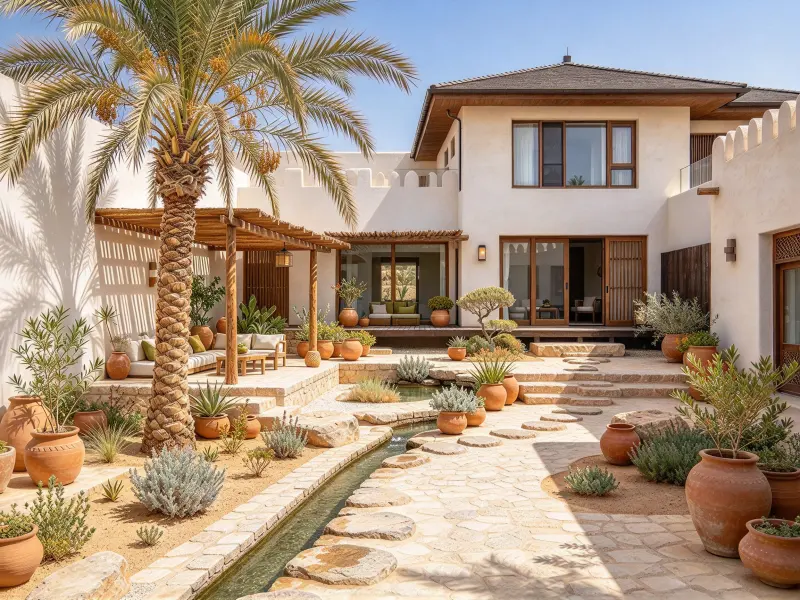
Core elements: Light walls, stone paving, date palms, clay pots, shaded seating, water channels, and textured planting.
Description: Adapted to heat and glare, this courtyard style relies on shade, durable materials, and resilient greenery.
These details make Asian garden design recognizable, but they work best when used selectively and matched to the chosen regional influence.
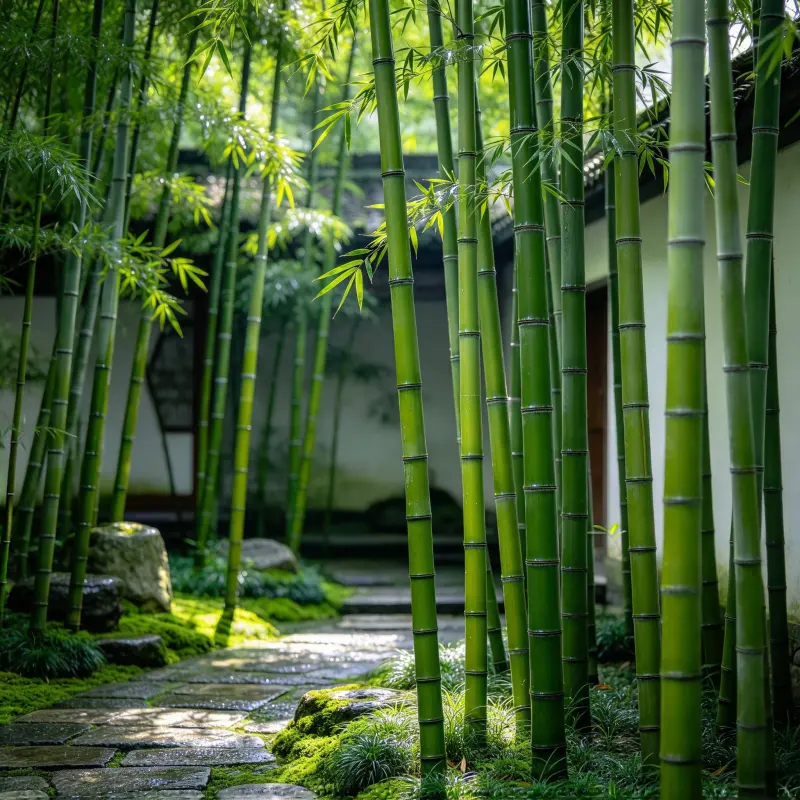
Adds vertical rhythm, screening, and green depth.
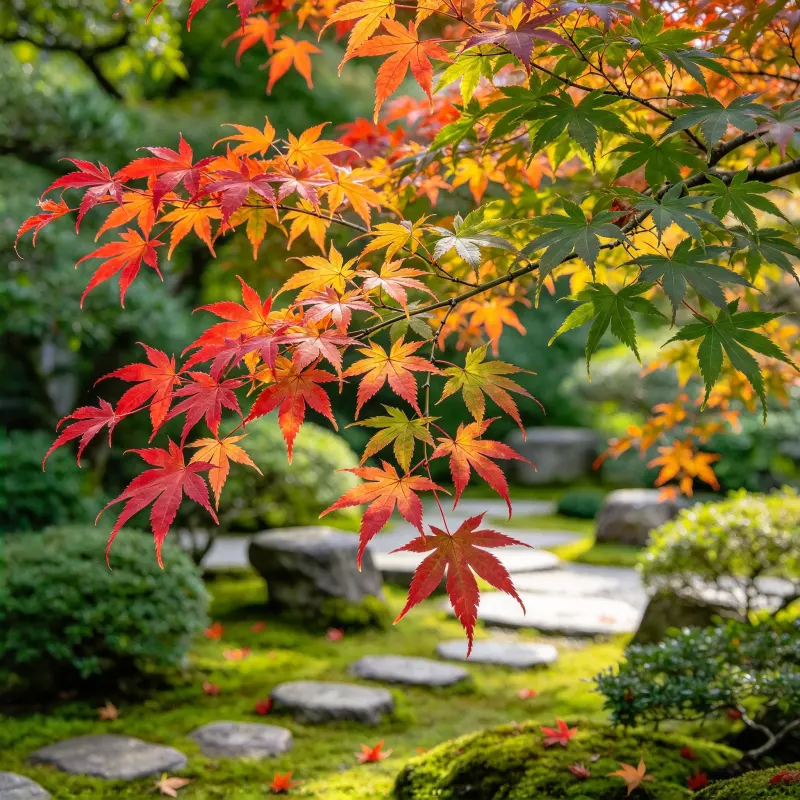
Creates seasonal color and a graceful focal point.
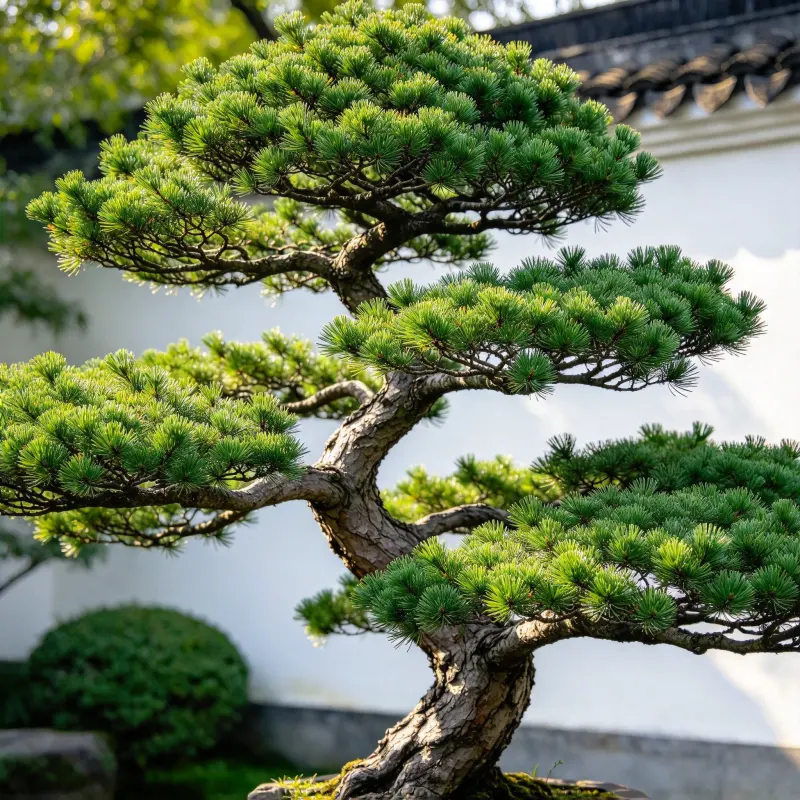
Provides evergreen structure and expressive branching.
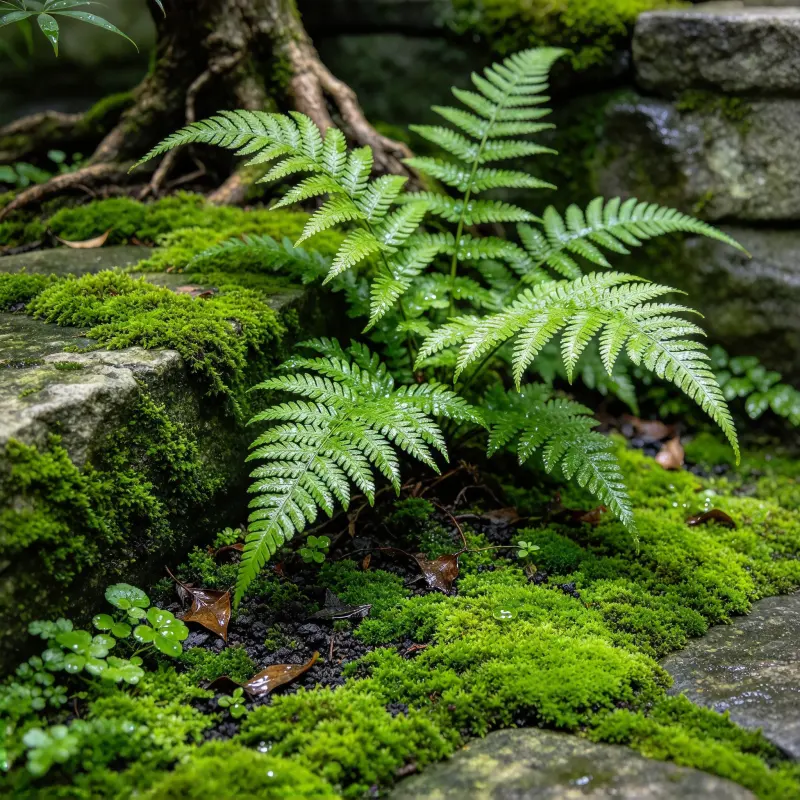
Softens shade with rich, low-growing texture.
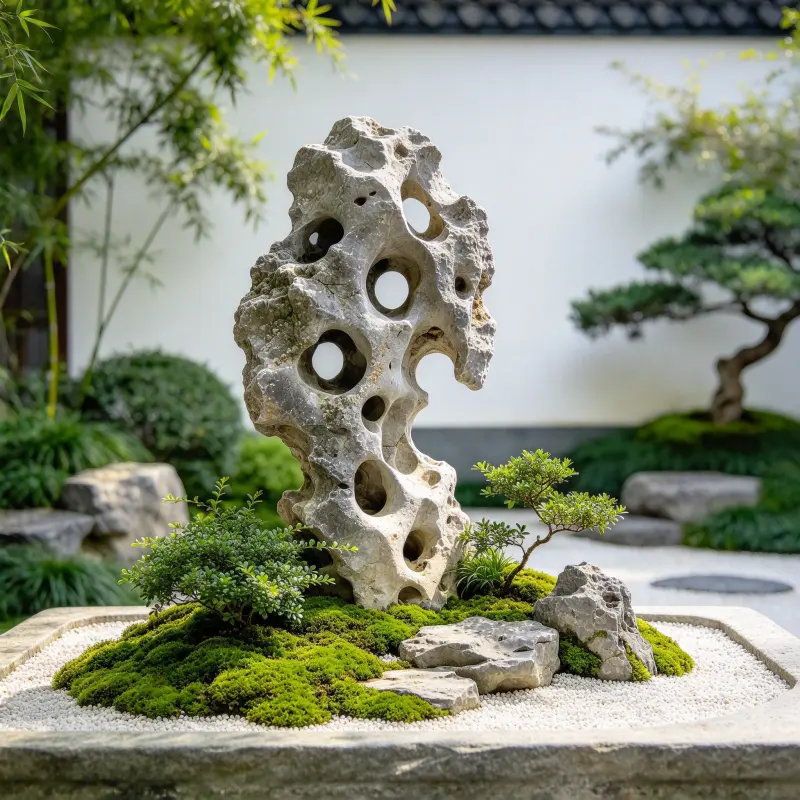
Gives the composition weight, shape, and focus.
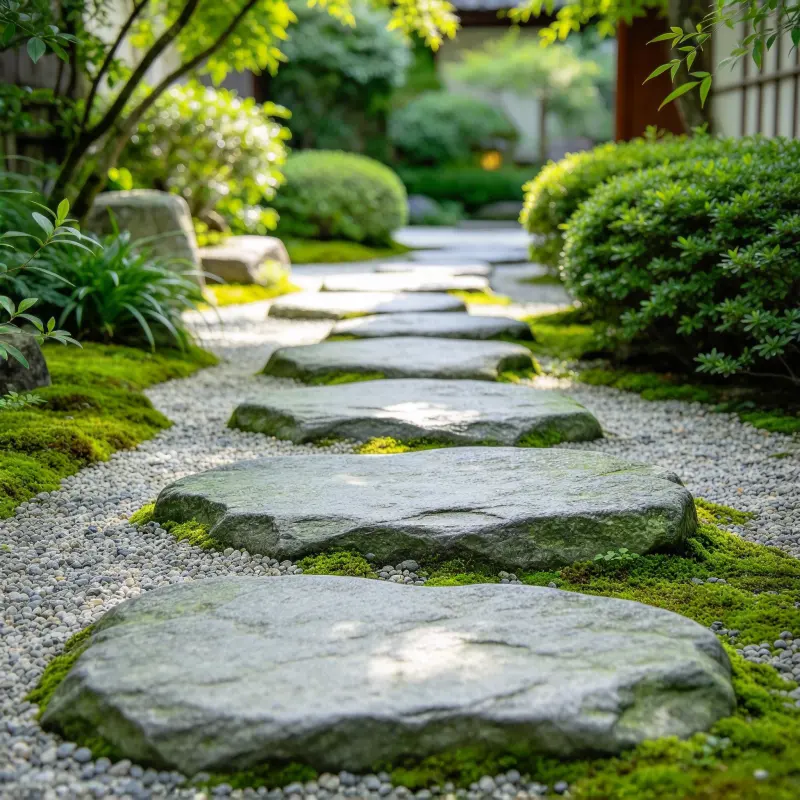
Guides movement while linking garden moments.
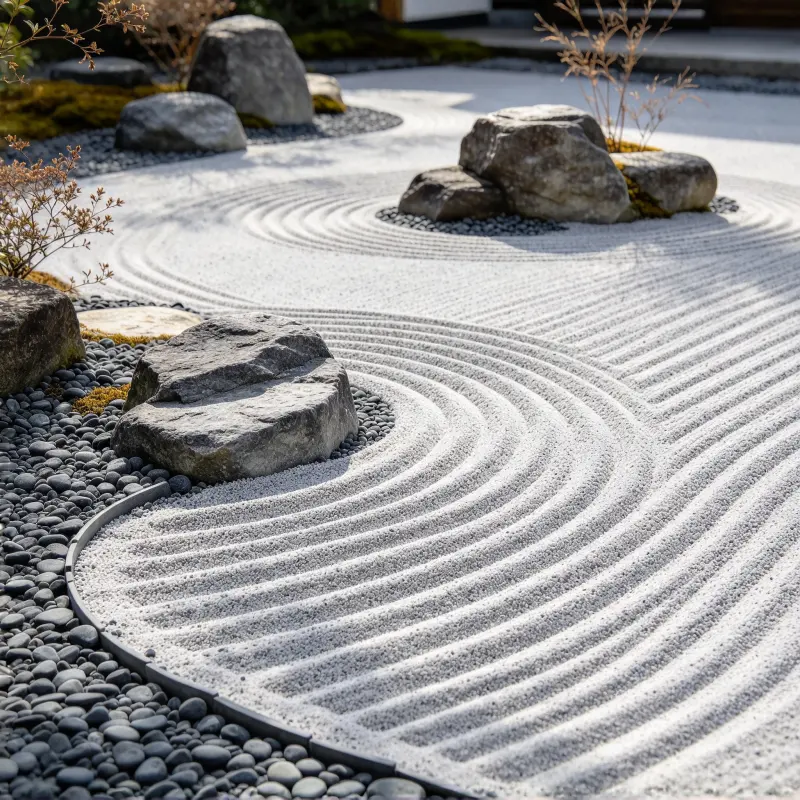
Brings calm texture to dry, minimalist scenes.
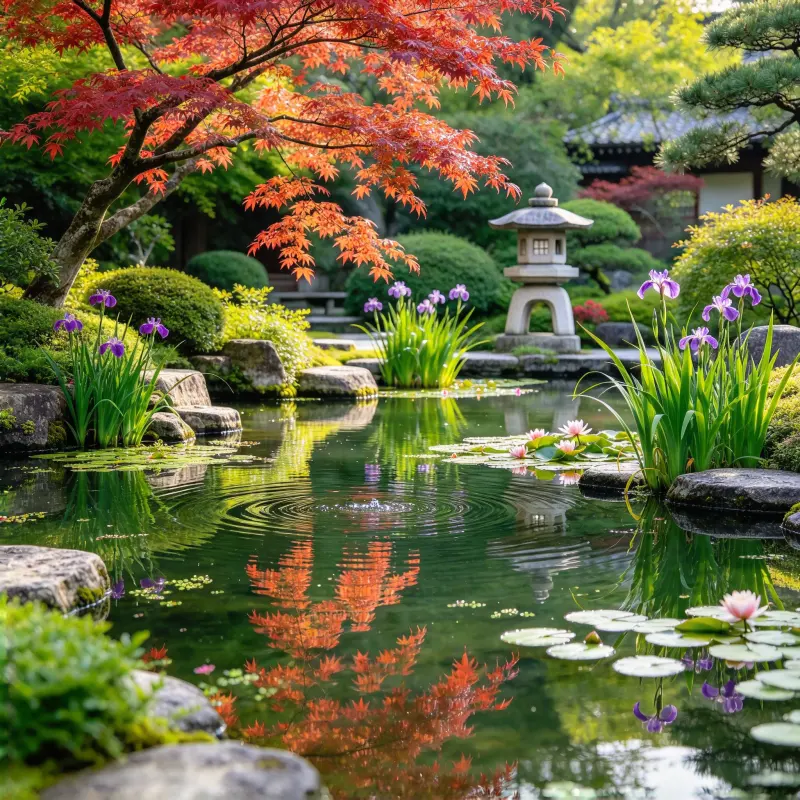
Reflects light, plants, sky, and nearby forms.
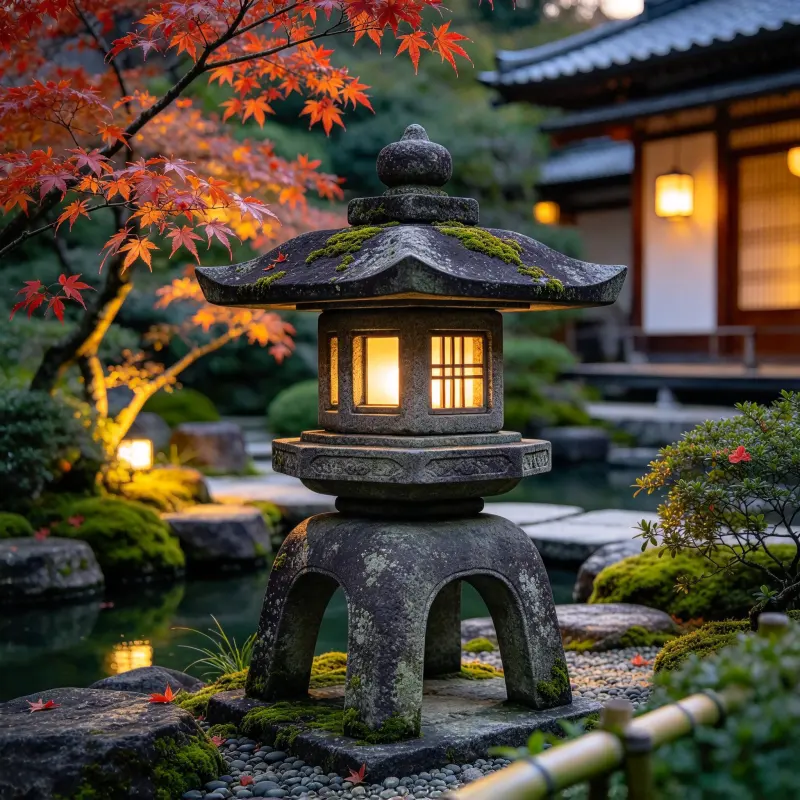
Add a quiet landmark beside paths or water.
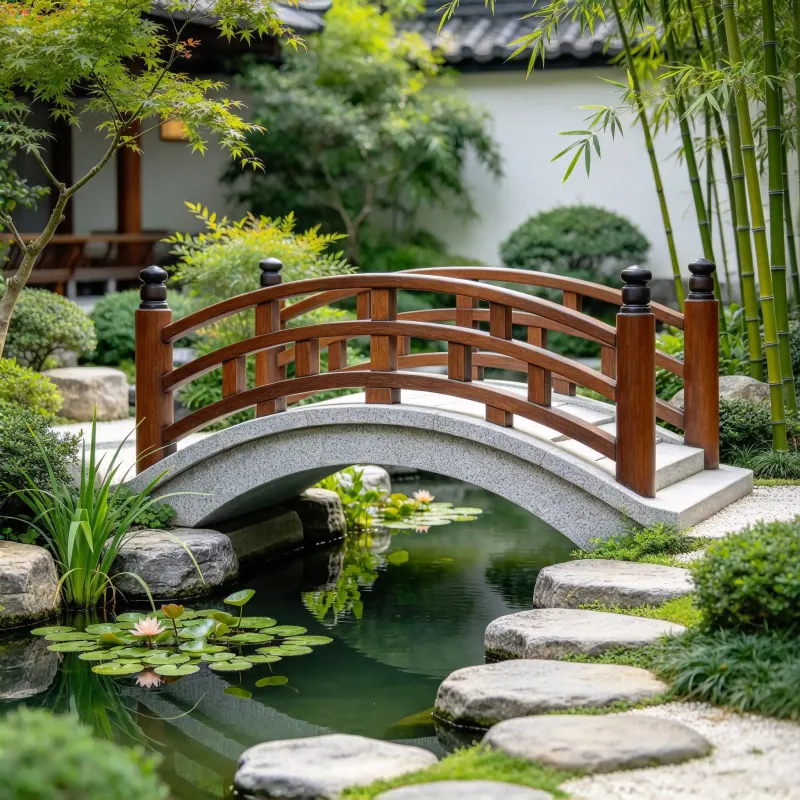
Connects routes across water, gravel, or planting.
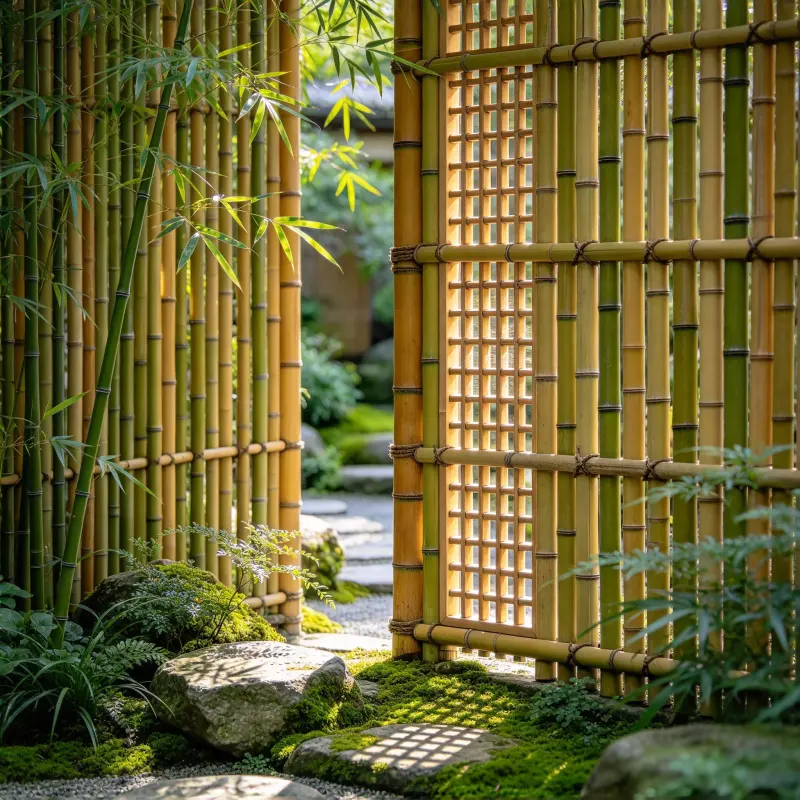
Defines privacy with a light natural boundary.
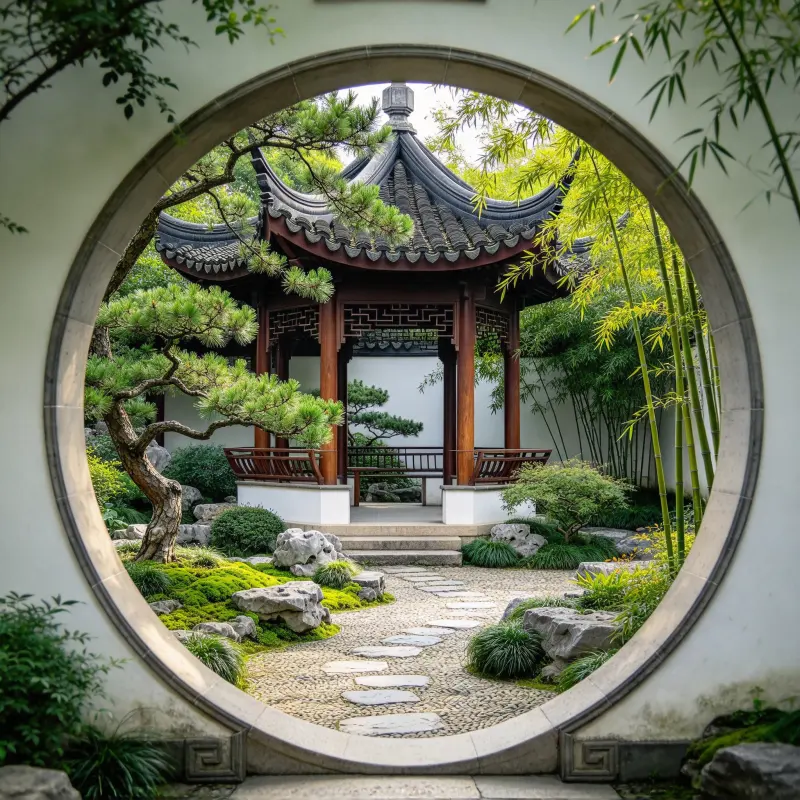
Frames views and gives outdoor rooms structure.
Asian landscape design works best when every material supports the same feeling.
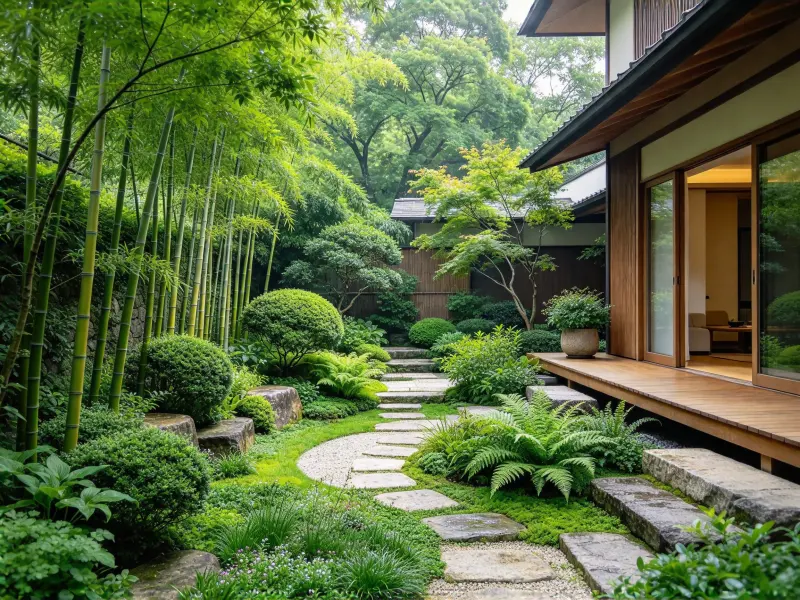
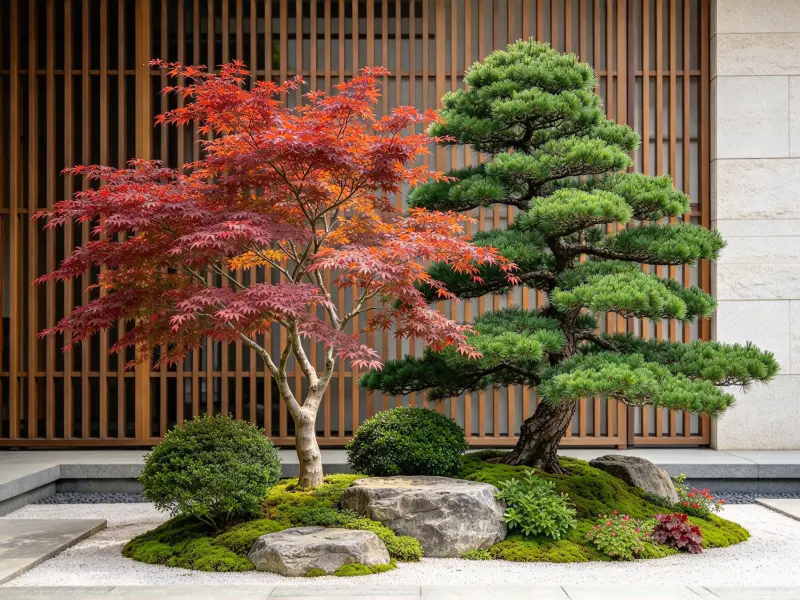
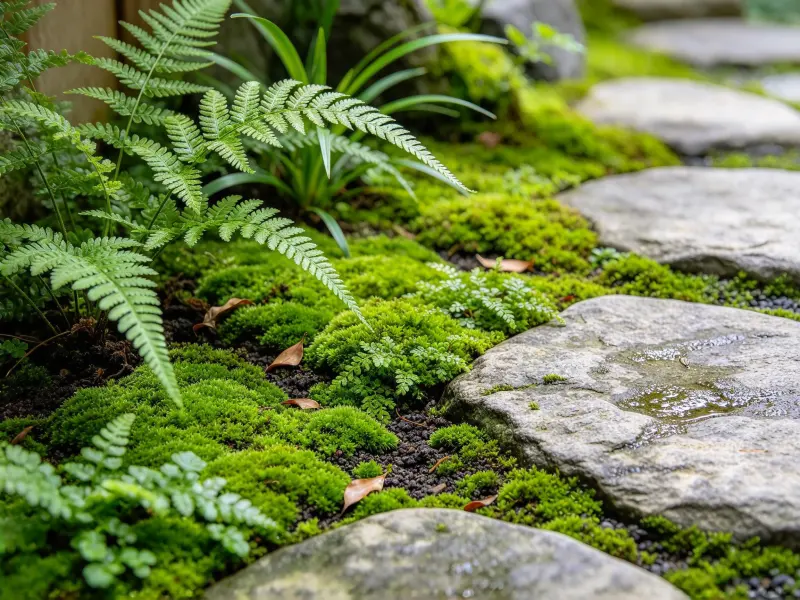
Use planting to build depth before adding ornaments. Tall bamboo or sculptural trees can form a quiet backdrop, while Japanese maples, pines, ferns, and moss-covered ground soften the middle and lower layers. Leave breathing room around a feature plant so its shape can be seen. For lasting Asian garden landscaping, choose local substitutes with similar texture, color, and mature size when classic species do not suit your climate.
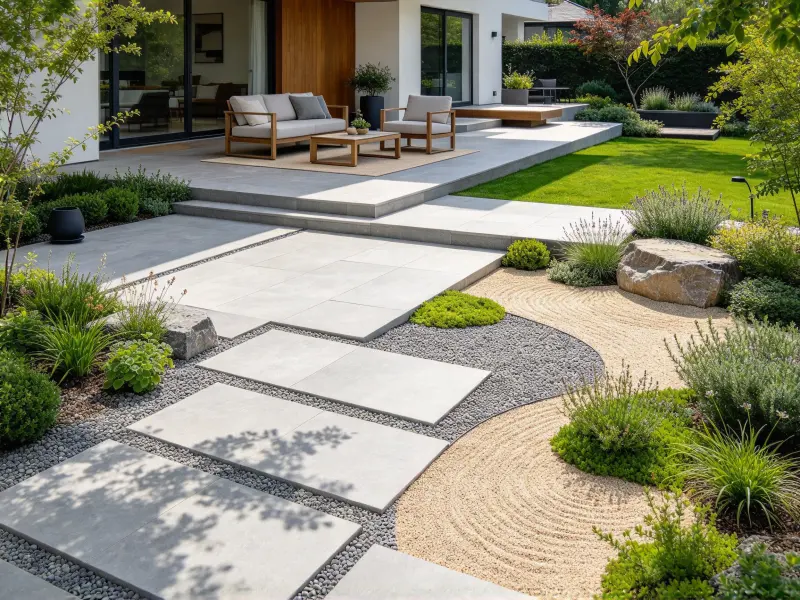
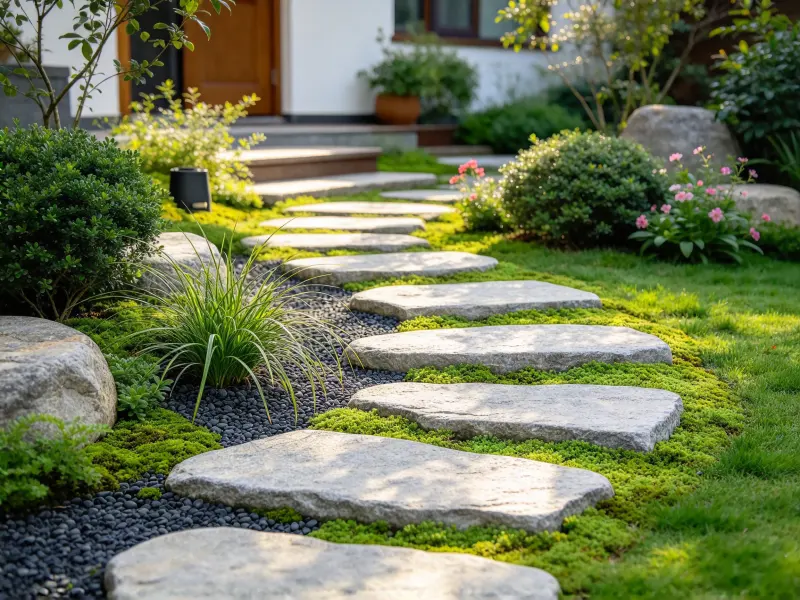
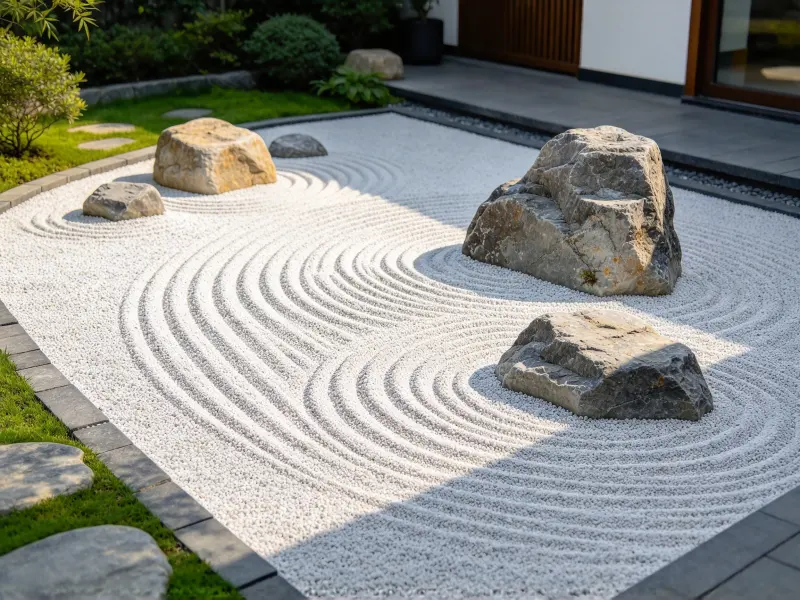
Ground materials set the pace of the garden. Natural stone paving gives an entrance weight and permanence, gravel paths create a lighter, slower route, and weathered stone textures add age without clutter. Use stepping stones where you want the walk to feel deliberate; use gravel or raked sand for an open, simplified field. Keep edges restrained so materials look placed by the landscape, not scattered across it.
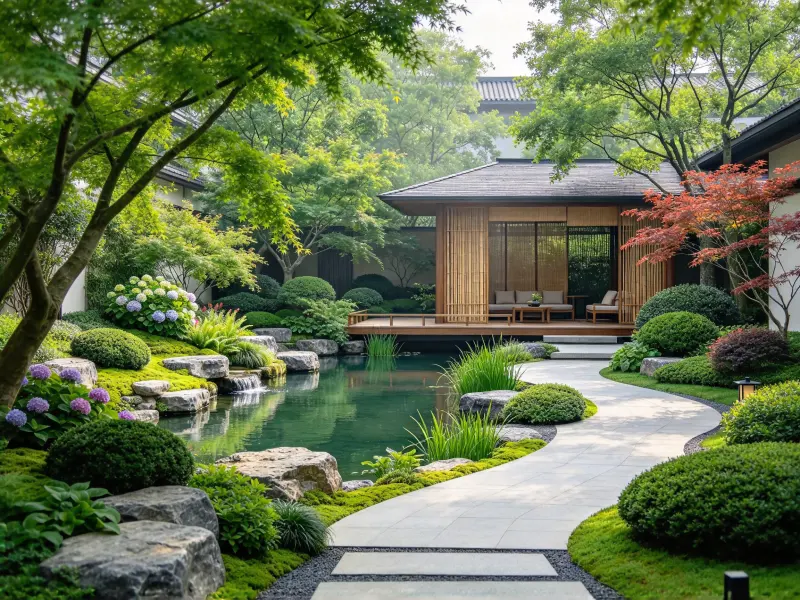
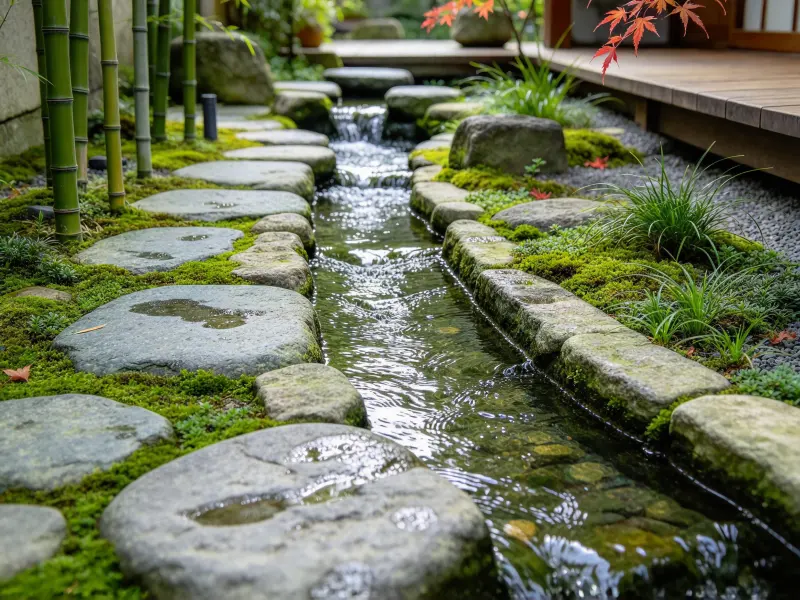
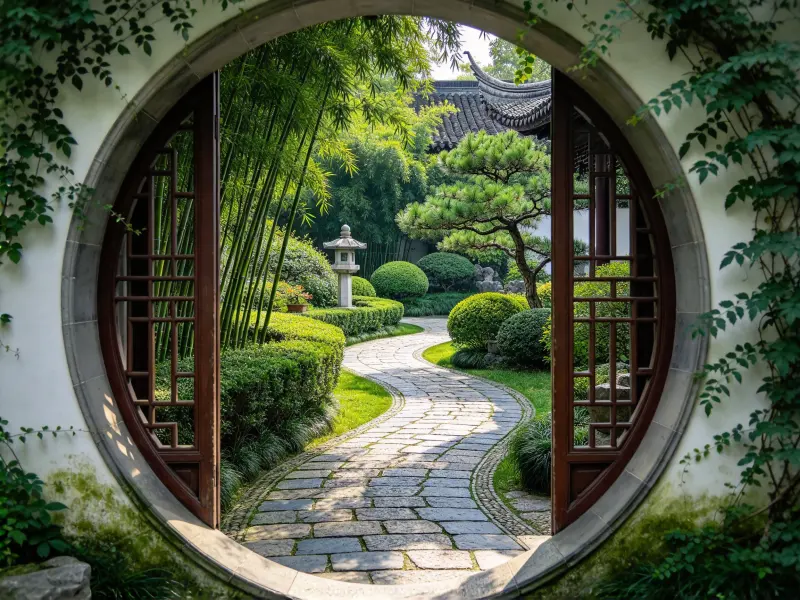
Water can be literal or suggested. A reflective pond expands a small view, a narrow rill brings movement, and a dry gravel stream can imply water with far less upkeep. Let a winding path reveal the garden gradually, then use a gate, window, or planting gap to create a framed garden view. Asian garden design ideas should match water to the selected tradition, site drainage, safety needs, and maintenance time.
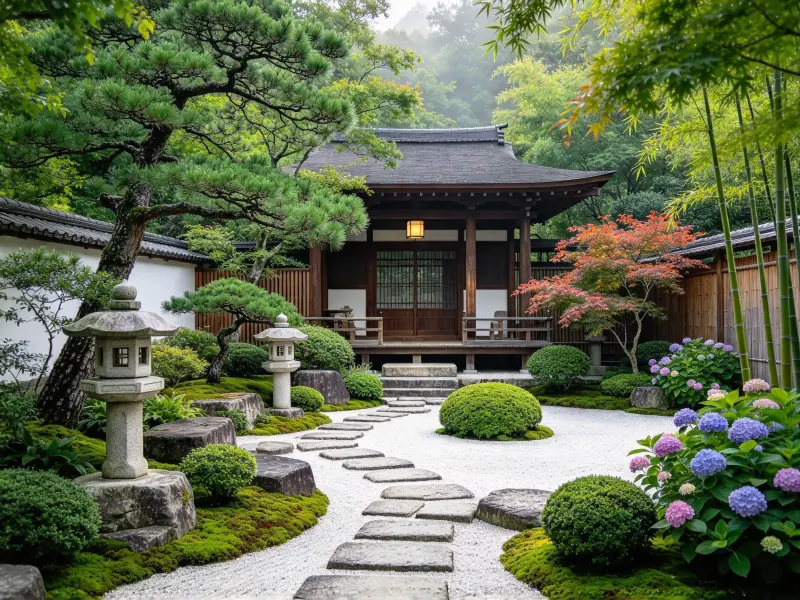
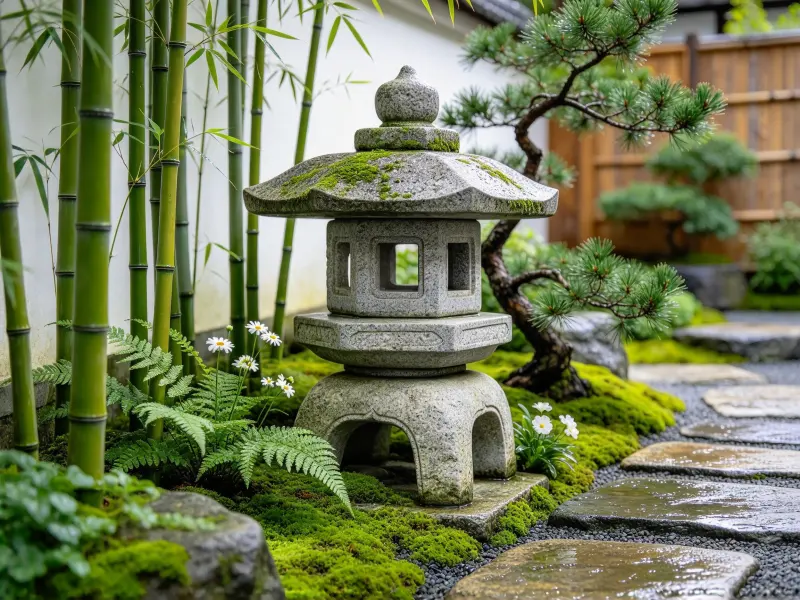
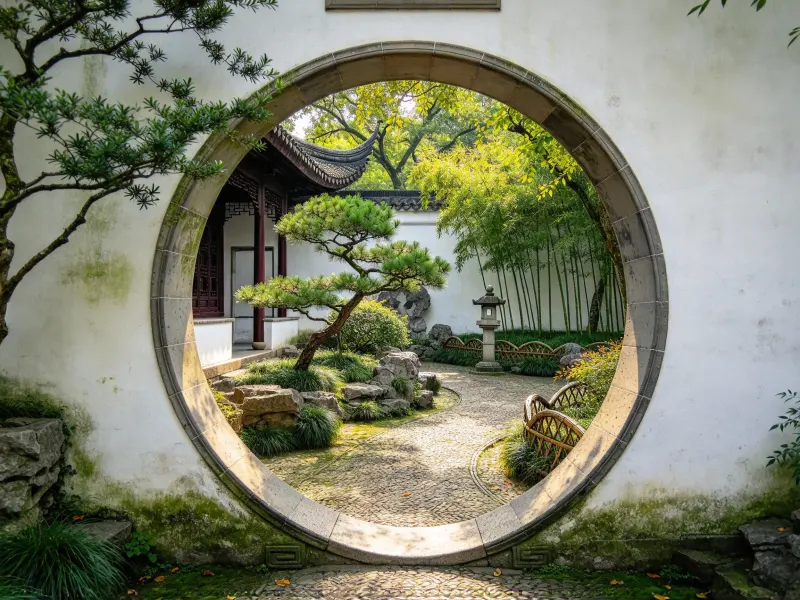
Choose architectural accents as part of the story, not as souvenirs. A stone lantern suits a restrained Japanese-influenced composition; a traditional wooden pavilion can anchor a larger gathering space; a moon gate belongs naturally with a Chinese-inspired sequence of views. Bamboo fencing, carved stone, and screens work best when their scale, finish, and placement support the regional style you have chosen.
Asian garden ideas can be scaled to the site rather than forced into a fixed formula.
For Asian garden design ideas in a backyard, create a sequence instead of filling every edge. Set a sitting area beside a stone path, layer plants from taller screening to low groundcover, and choose one main feature such as a pond, sculptural pine, or rock composition. These Asian garden design styles can suit larger yards with winding routes or compact yards with fewer materials and one clear view.
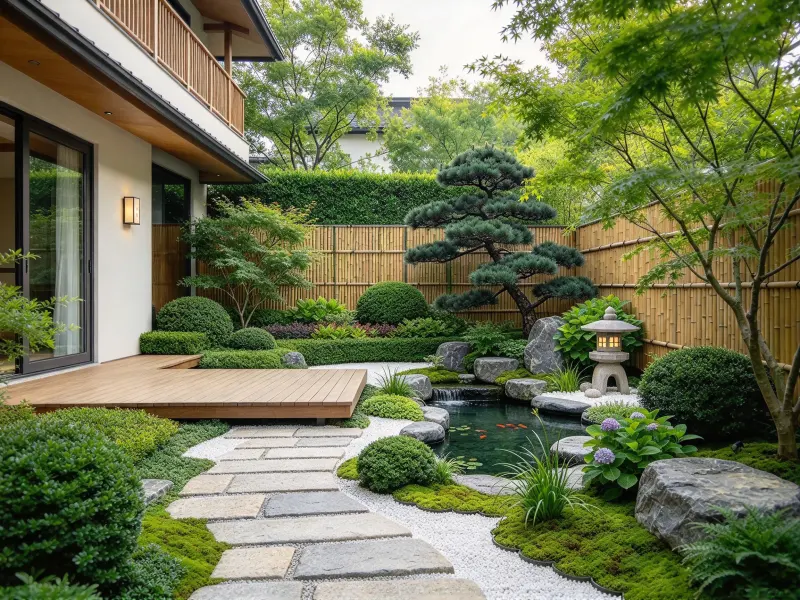
An Asian inspired garden can fit many homes because its principles are flexible, but successful results still depend on climate, site conditions, budget, and the level of care you can sustain.
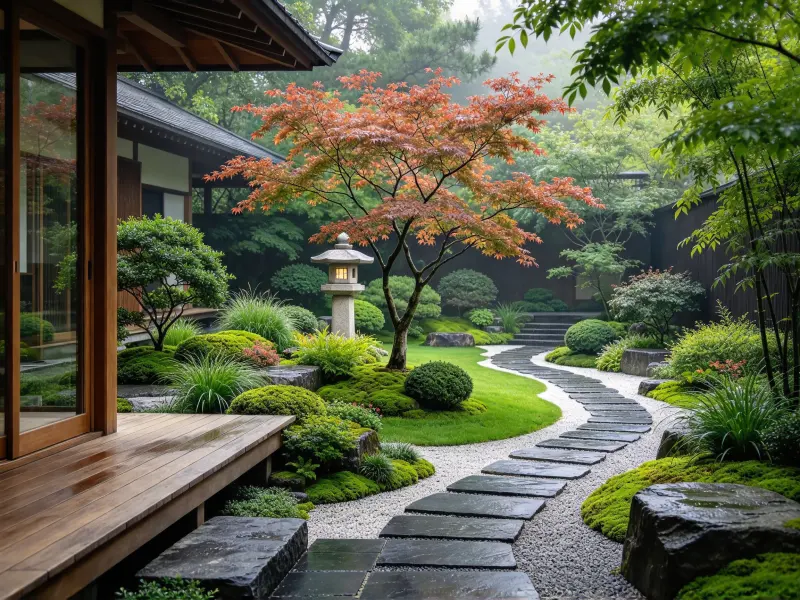
Natural materials, layered planting, and intentional open space can make a yard feel calmer and more ordered. A clear focal point and slower route help the garden become a place to pause, not just an area to fill.
Find answers to common questions about Asian garden styles, design principles, plants, and ideas for creating a harmonious outdoor space.
Turn your Asian garden design ideas into reality. Upload a photo to Landscape Design AI to explore Asian garden design styles, test layout combinations and compare different Asian garden landscaping design concepts before you build.