What Is Landscape Design? A Complete Beginner's Guide
What is landscape design? Learn the types, principles, elements and cost — plus how a free AI landscape design tool turns your photo into a pro design.

Louis Bernard
Landscape Design Consultant
What is landscape design? It is the intentional planning of outdoor spaces so land, plants, structures, and daily life work together. A well-designed landscape does more than make a property look attractive: it guides movement, improves comfort, supports local ecology, and gives every outdoor area a clear purpose.
If you are asking what is landscape design before starting a front yard refresh or a full backyard makeover, begin with how you want the space to feel and function. This guide explains the landscaping definition, the principles behind strong plans, common styles, costs, and a faster way to start designing the landscape with AI.
This guide explains what is landscape design, the main types and elements to consider, and how AI can help you explore ideas before detailed planning begins.
What Is Landscape Design?
What is landscape design in practical terms? It is a process that turns an outdoor area into a connected, usable environment. It considers the site itself—sun, drainage, soil, slope, views, and climate—then combines softscape elements such as trees, shrubs, lawn, and flowers with hardscape features such as paths, decks, walls, lighting, and water features.
To define landscape design clearly, think of it as problem-solving with living materials. Landscaping often emphasizes installation and ongoing maintenance, while landscape design typically focuses on the planning decisions that shape the finished space. Whether the goal is privacy, entertaining, a child-friendly yard, or lower water use, a thoughtful layout helps every decision support the larger picture.
Think of landscape design as a framework for making outdoor decisions. It helps you understand what is a landscape at its best: a place where form, function, and the conditions of the site work together.
Types of Landscape Design
Different areas call for different priorities. Understanding the type of project is an easy first step when designing the landscape.
Front Yard Design
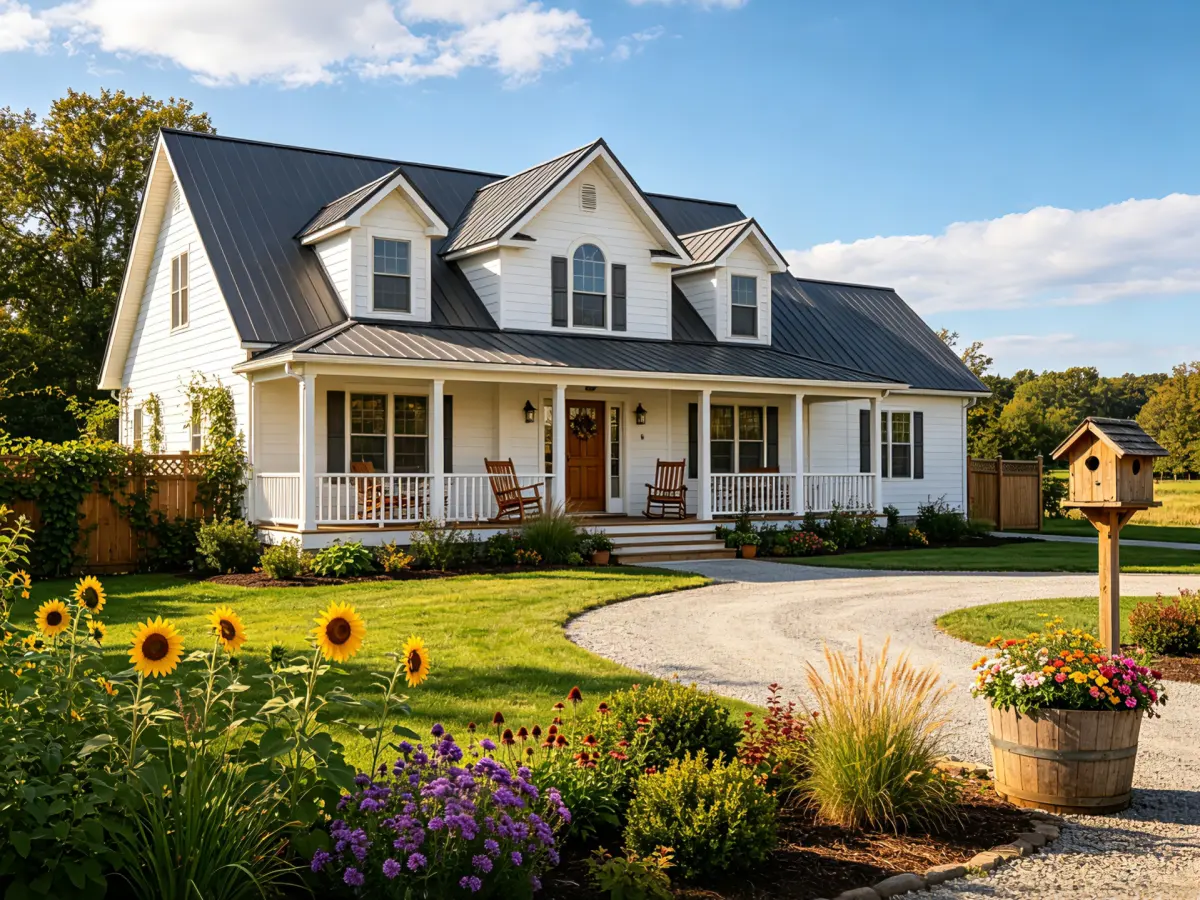
Front yard design improves curb appeal, creates a welcoming entry, and frames the home. Clear walkways, layered planting, and a focal point near the door often deliver the biggest visual impact.
Backyard Design
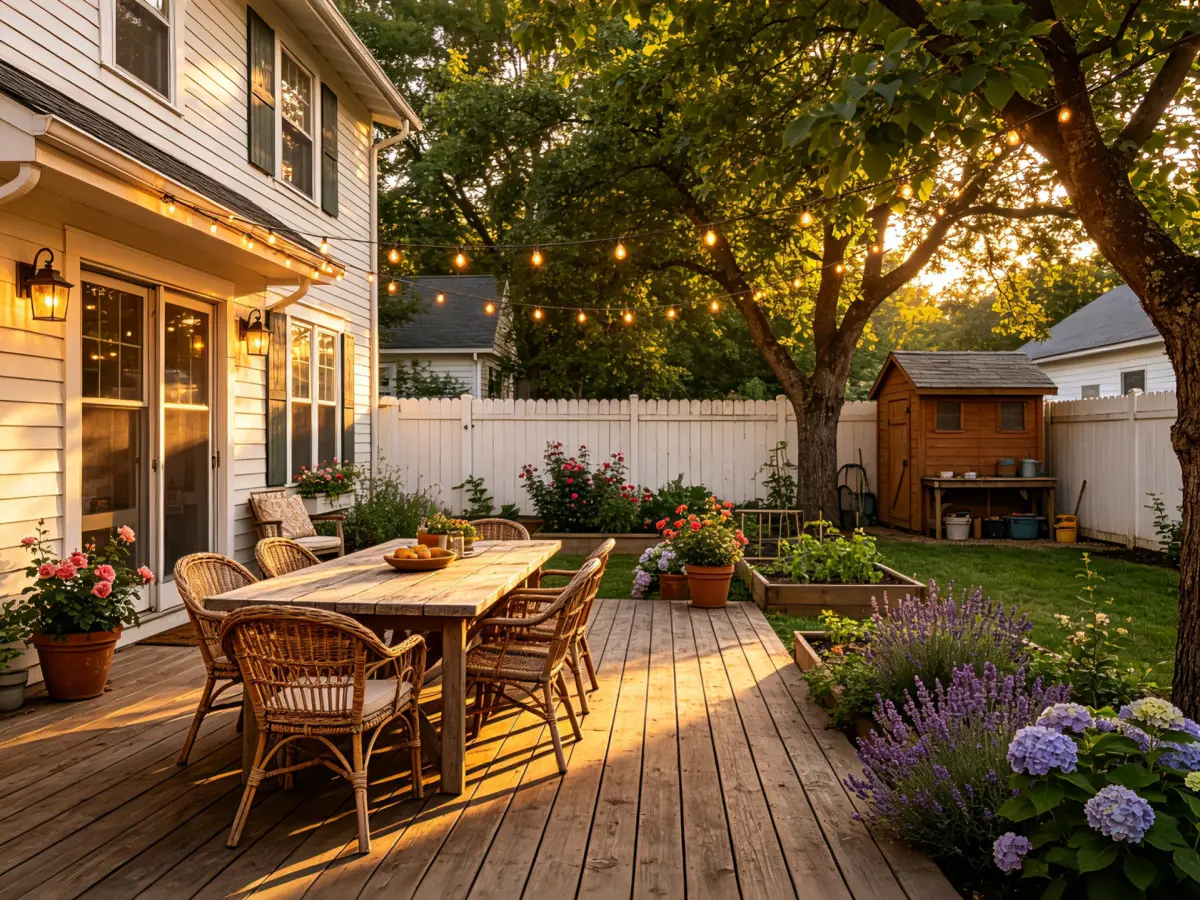
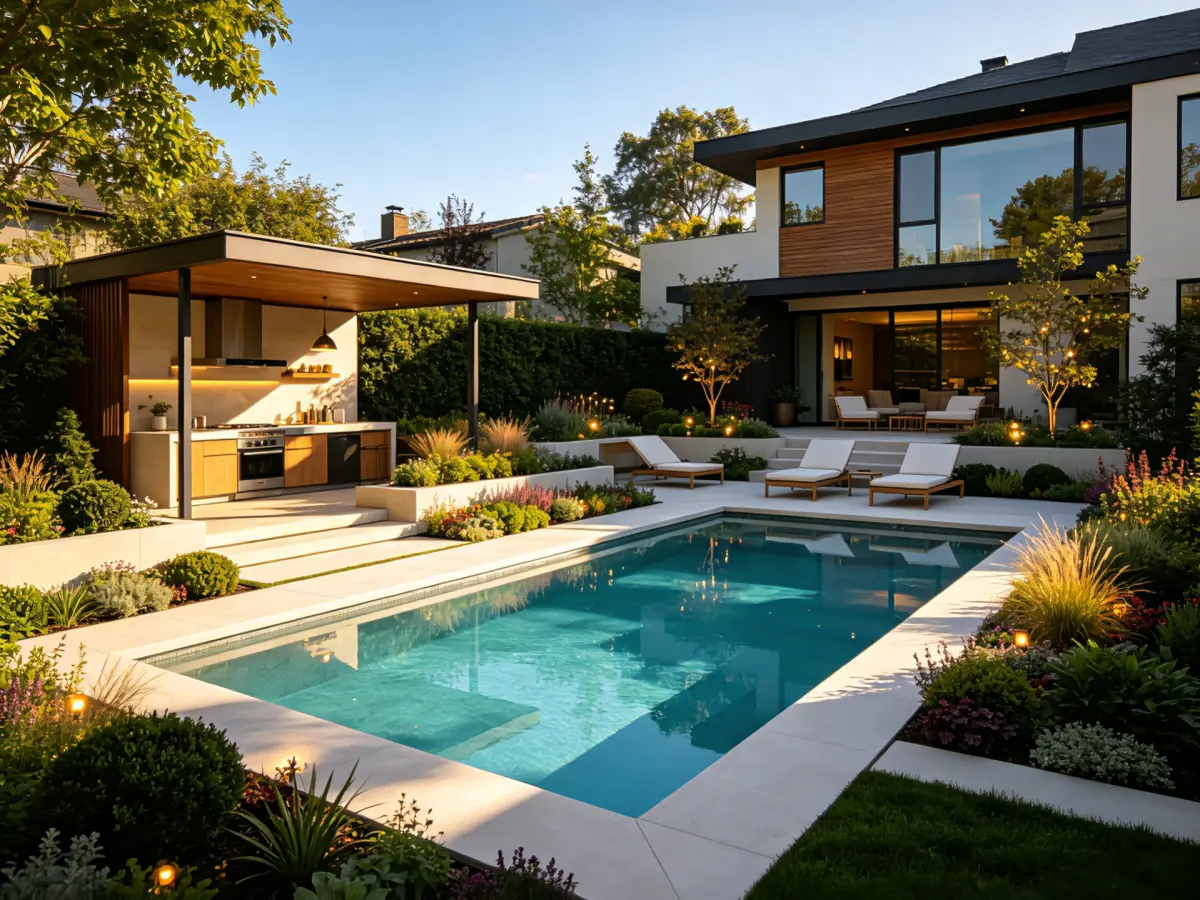
Backyards are usually planned for living: dining, lounging, play, cooking, or quiet retreat. Divide the space into zones while preserving open circulation between them.
Garden Design
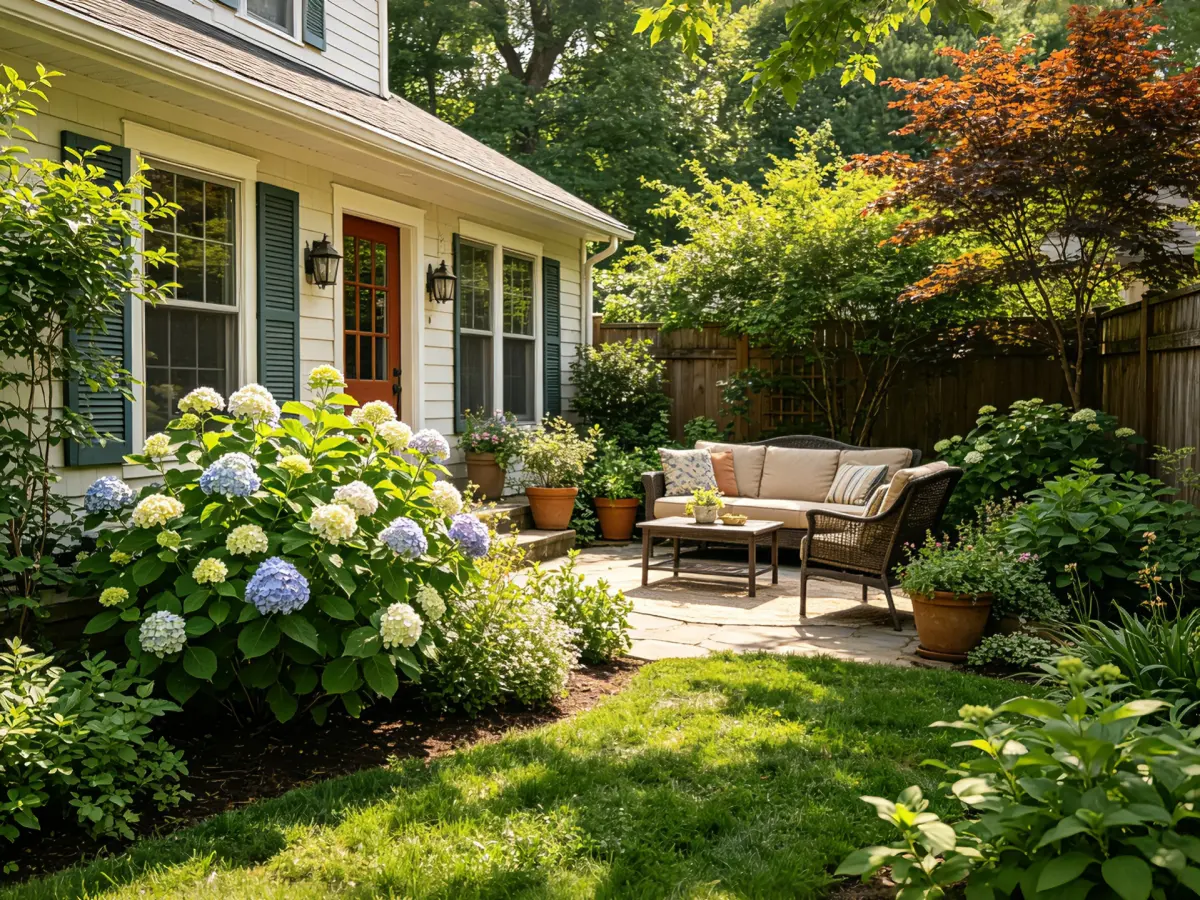
Garden design puts plant performance first. Group plants by light, water, mature size, and seasonal interest to build a garden that looks good beyond its first season.
Patio & Terrace Design
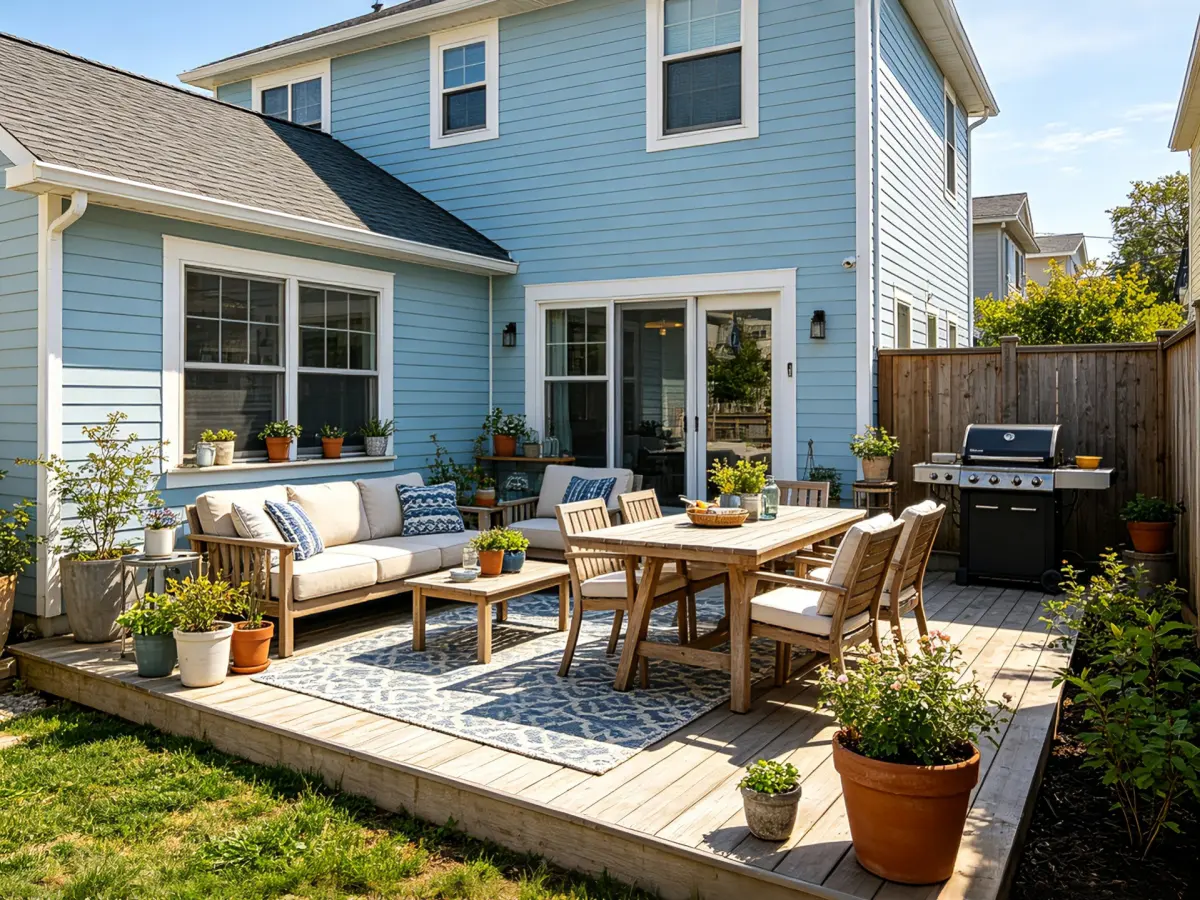
Patios and terraces extend indoor living outdoors. Durable surfaces, shade, lighting, and containers make compact spaces feel comfortable and complete.
Key Principles of Landscape Design
What is landscape design without a set of visual rules? Good projects use a few dependable principles to make a site feel calm rather than crowded.
Proportion and Scale
Match plant size, furniture, and structures to the house and the yard. Oversized features can overwhelm a small plot; tiny details disappear in a large one.
Transition and Flow
Paths, repeated materials, and gradual plant-height changes lead the eye and the body naturally from one zone to the next.
Unity and Cohesion
Repeat a limited palette of materials, colors, and forms so separate spaces feel like one landscape.
Rhythm and Repetition
Recurring plants, lights, or paving patterns create visual rhythm while avoiding a random look.
Balance and Harmony
Balance does not need to be symmetrical. A large tree can be offset by a planted bed, seating area, or grouped shrubs.
Focalization — Creating a Focal Point
Give the eye somewhere to rest: a specimen tree, fire pit, sculpture, water feature, or striking front door view.
The Core Elements of Landscape Design
The landscaping definition includes more than plants. These five elements are the building blocks designers use to shape an outdoor experience.
Line
Straight lines feel formal and modern; curves feel relaxed and natural. Lines appear in paths, bed edges, fences, and rooflines.
Form
Form is the three-dimensional shape of a plant or structure. Mixing upright, rounded, and spreading forms adds interest without clutter.
Texture
Fine foliage, rough stone, smooth paving, and ornamental grasses create contrast that remains visible even when flowers are not in bloom.
Color
Use color with a plan. Cool shades recede and feel restful, while warm accents pull attention forward.
Scale and Space
Leave breathing room around key features. Open space makes a small garden feel larger and lets focal elements stand out.
Popular Landscape Design Styles & Ideas
What is landscape design style? It is the visual language that connects plants, materials, and furnishings. Choose one that suits your architecture, climate, maintenance level, and lifestyle.
Modern Landscape Design
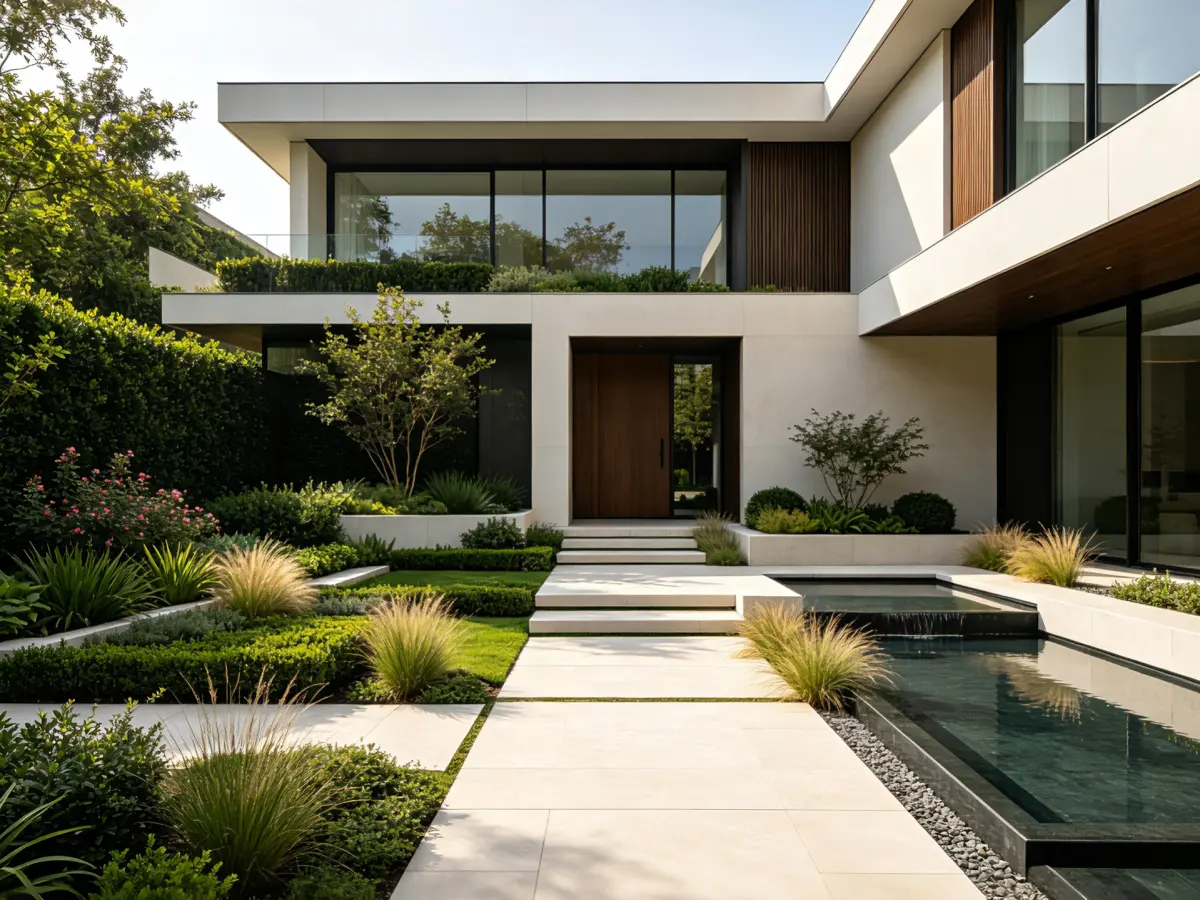
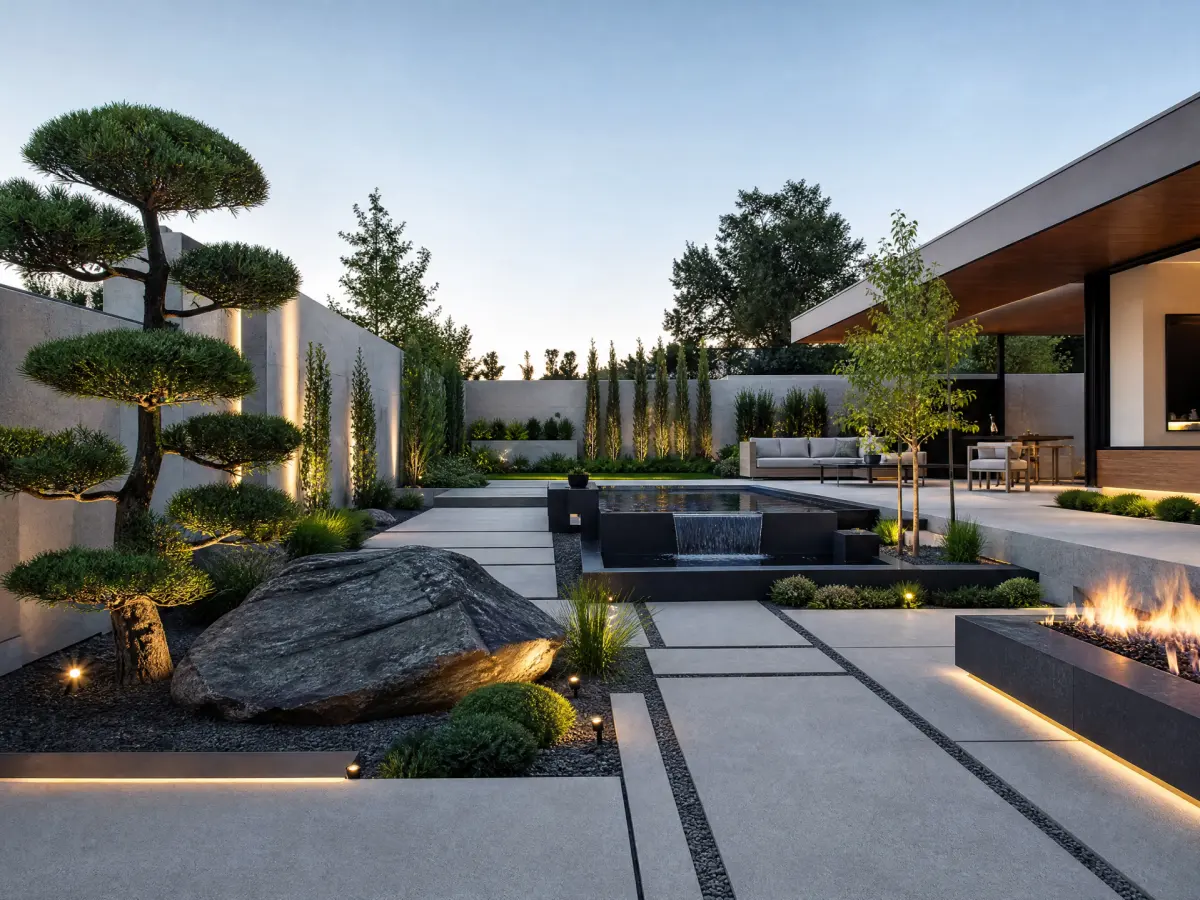
Modern landscapes use clean geometry, restrained colors, architectural plants, and crisp materials such as concrete, steel, and large-format pavers.
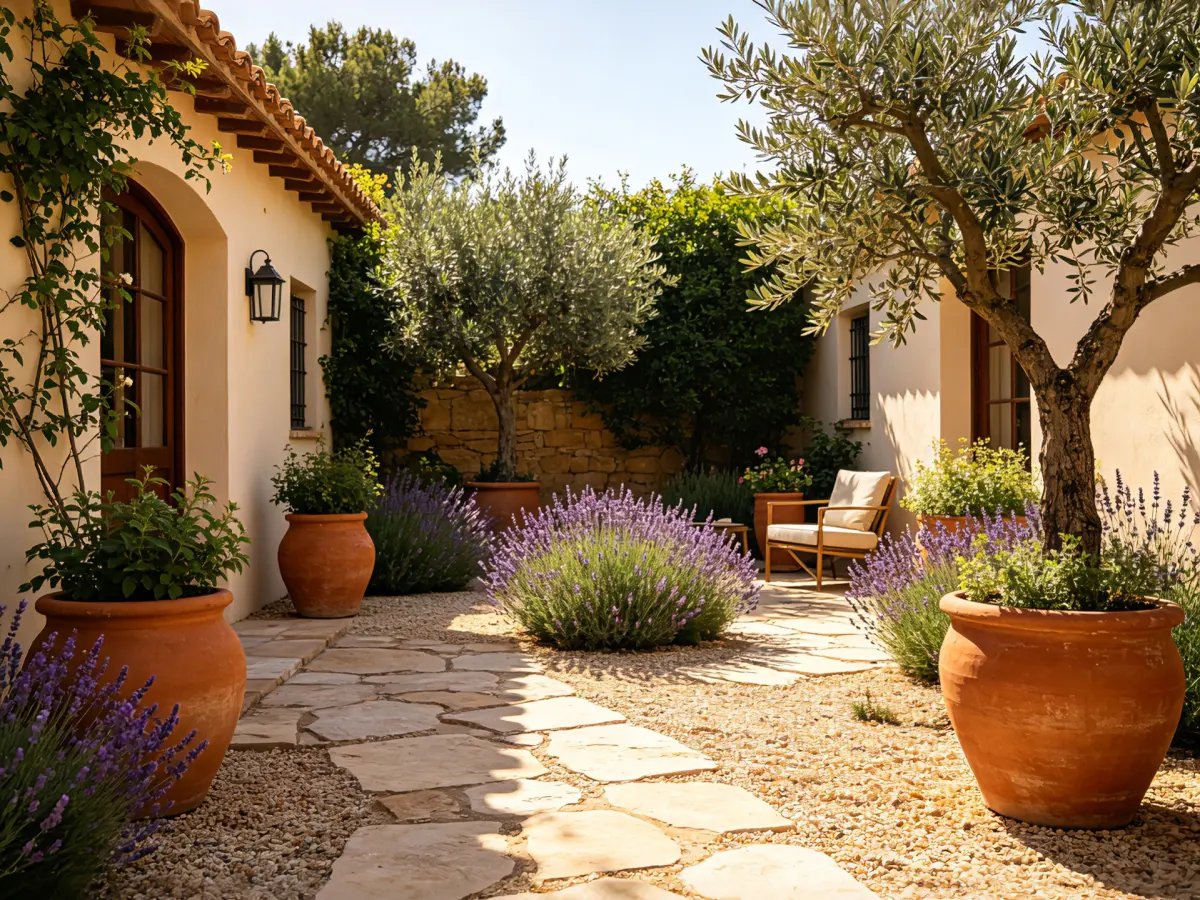
Mediterranean Landscape Design
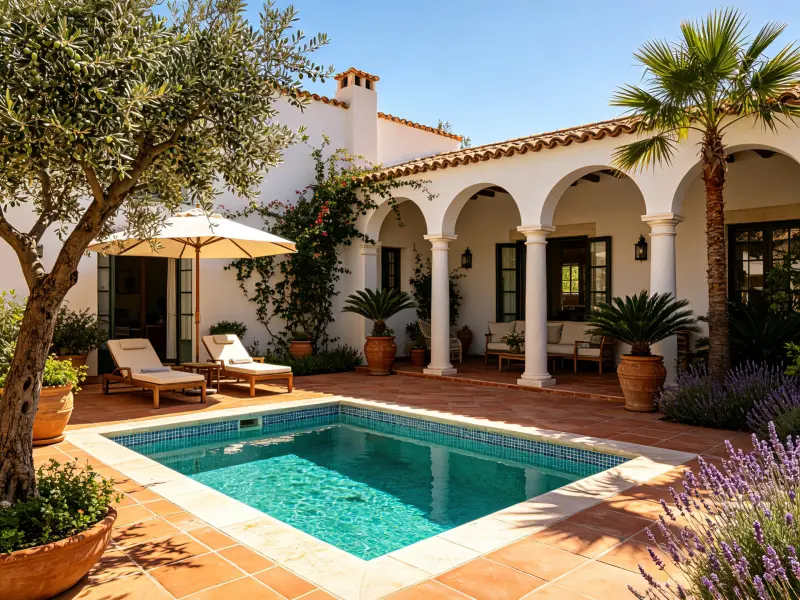
Warm stone, gravel, olive-toned foliage, herbs, and drought-tolerant planting create a sun-washed, welcoming atmosphere.
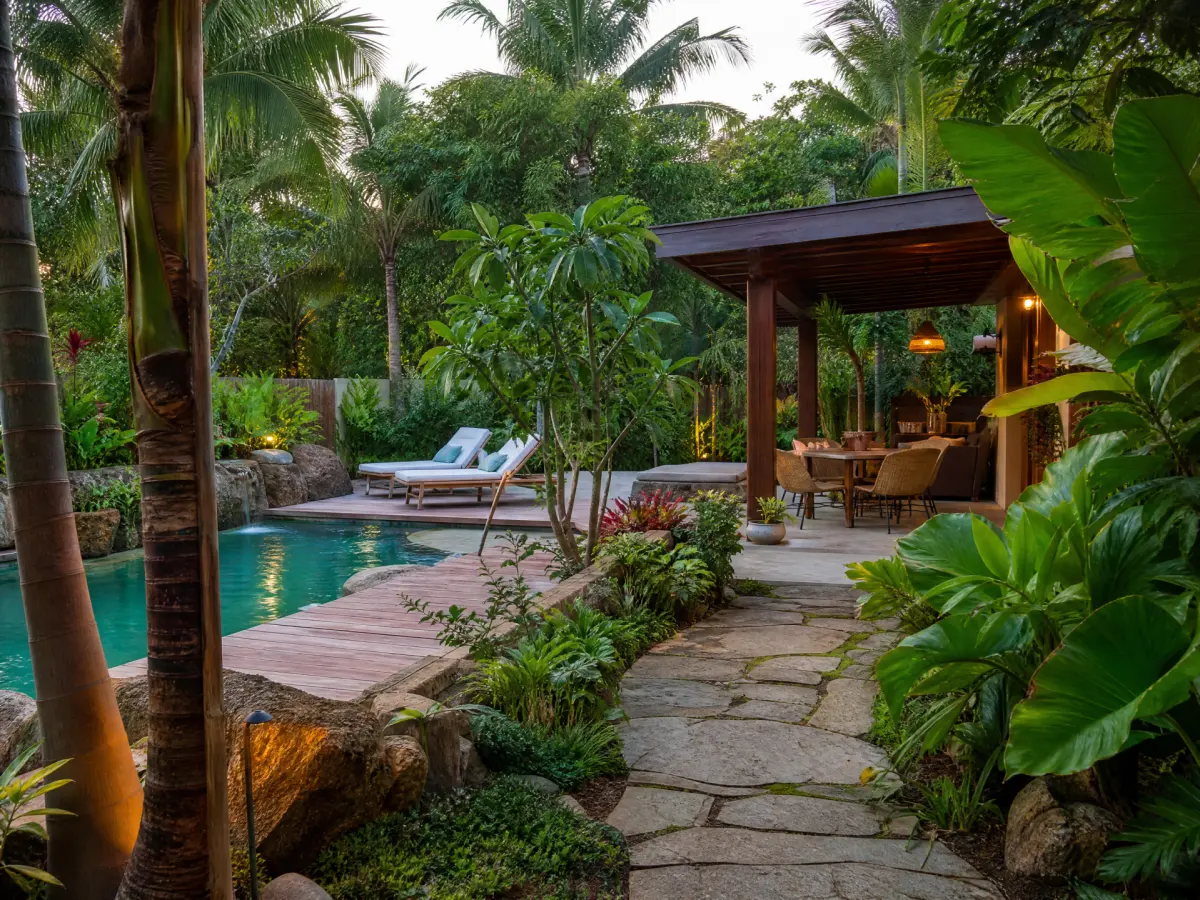
Tropical Landscape Design
Lush layers, broad leaves, bold color, and water-inspired details make tropical designs feel immersive. Match plant choices to your climate or use containers.
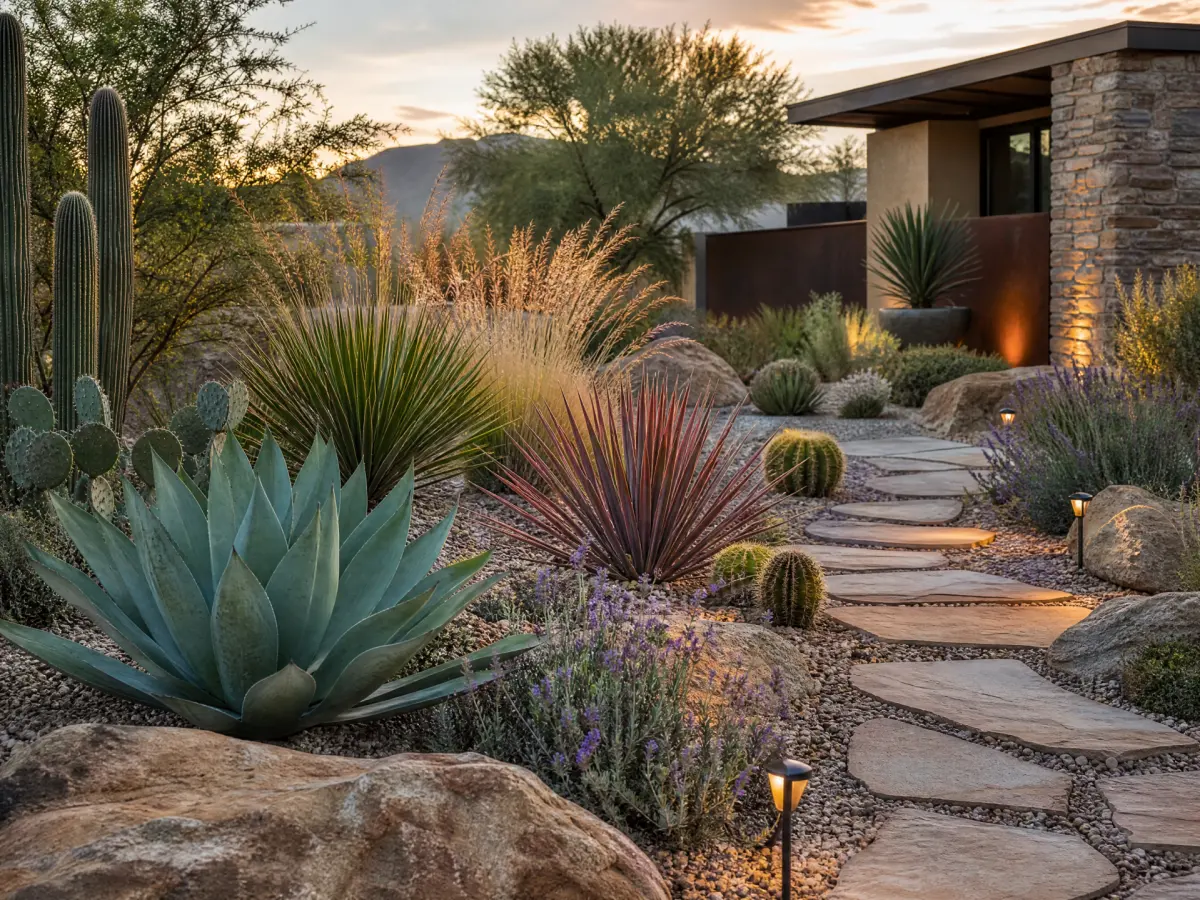
Desert / Xeriscape Design
Xeriscape design reduces water demand with drought-adapted plants, efficient irrigation, mulch, and permeable mineral surfaces.
Save inspiration, then identify the repeated details you truly like. This keeps designing the landscape personal instead of copying a single image.
Benefits of Landscape Design
What is landscape design worth to a homeowner? A clear plan can improve how a property looks, works, and performs over time.
Increased Property Value
Quality outdoor improvements can strengthen buyer appeal and help a home stand apart, especially when they are appropriate for the neighborhood and well maintained.
Improved Curb Appeal
An inviting entry, healthy planting, and a readable path create a strong first impression every day.
Enhanced Outdoor Living
Purposeful zones turn unused ground into places for meals, conversations, play, gardening, and rest.
Environmental Benefits
Native and climate-appropriate planting can support pollinators, reduce runoff, shade hard surfaces, and lower water waste. Sustainable landscaping is both practical and beautiful.
How Much Does Landscape Design Cost?
Costs vary by site size, location, design complexity, and the level of detail required. What is landscape design budgeting really about? It means separating planning costs from installation costs and setting priorities early.
Traditional Landscape Designer Fees
Professional designers may charge hourly, by consultation, or through a fixed design package. Professional design fees vary widely by location, property size, and the level of detail required. A consultation may cost far less than a full master plan, while complex projects can cost substantially more.
DIY Landscape Design Costs
DIY planning can reduce design fees, but materials, tools, revisions, and avoidable mistakes still add up. Start with a phased plan so the most important work happens first.
The $0 Alternative — Free Landscape Design AI
A free landscape design AI tool makes early exploration accessible. Use Landscape Design AI to test styles, compare layouts, and communicate your ideas before committing to materials or professional services.
How to Design a Landscape: Traditional vs AI
There is no single right way to begin designing the landscape. The best route depends on your budget, confidence, timeline, and project complexity.
Hiring a Landscape Designer
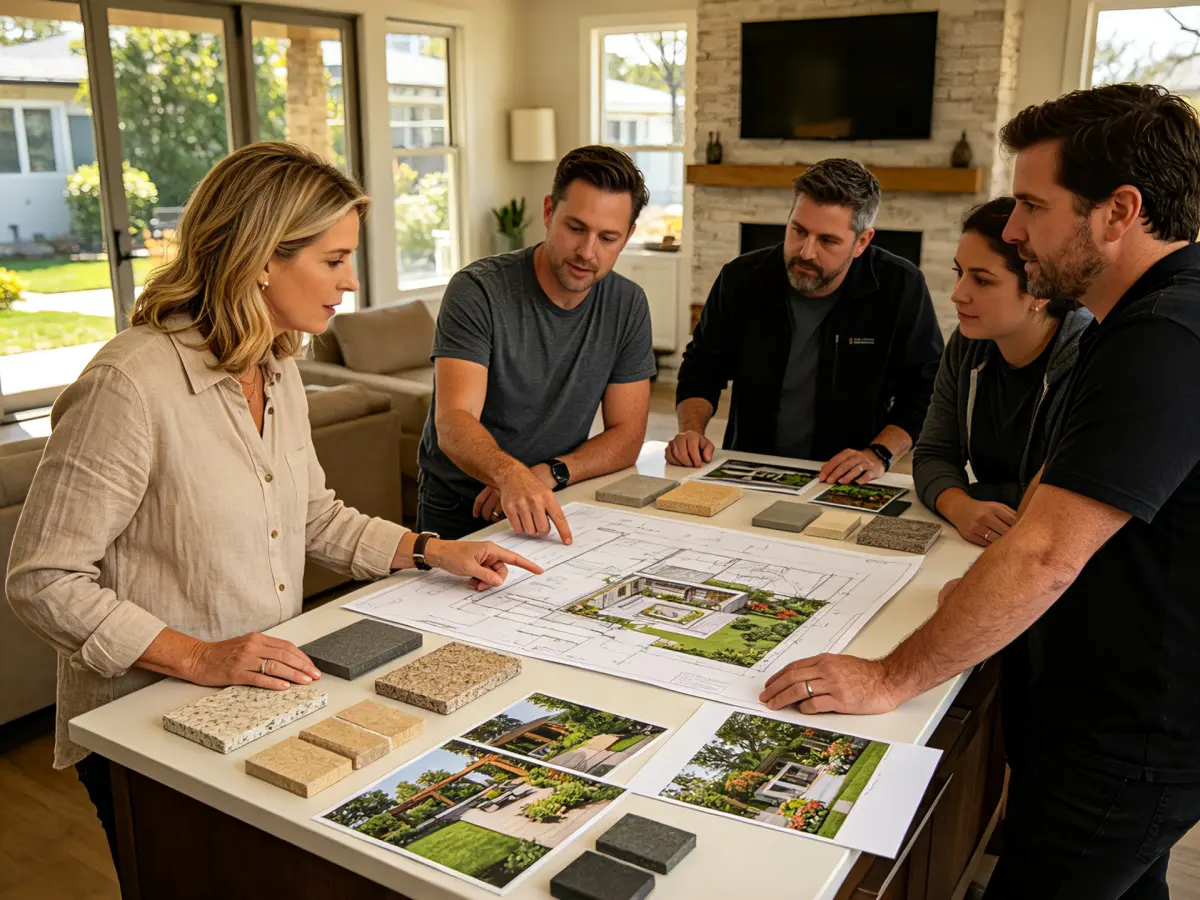
For major grading, drainage, permitting, or construction work, hire a qualified designer or landscape architect. Review comparable projects, discuss budget and maintenance expectations, and confirm deliverables in writing. A professional can translate complex site constraints into a buildable plan.
Using a Free Landscape Design AI Tool
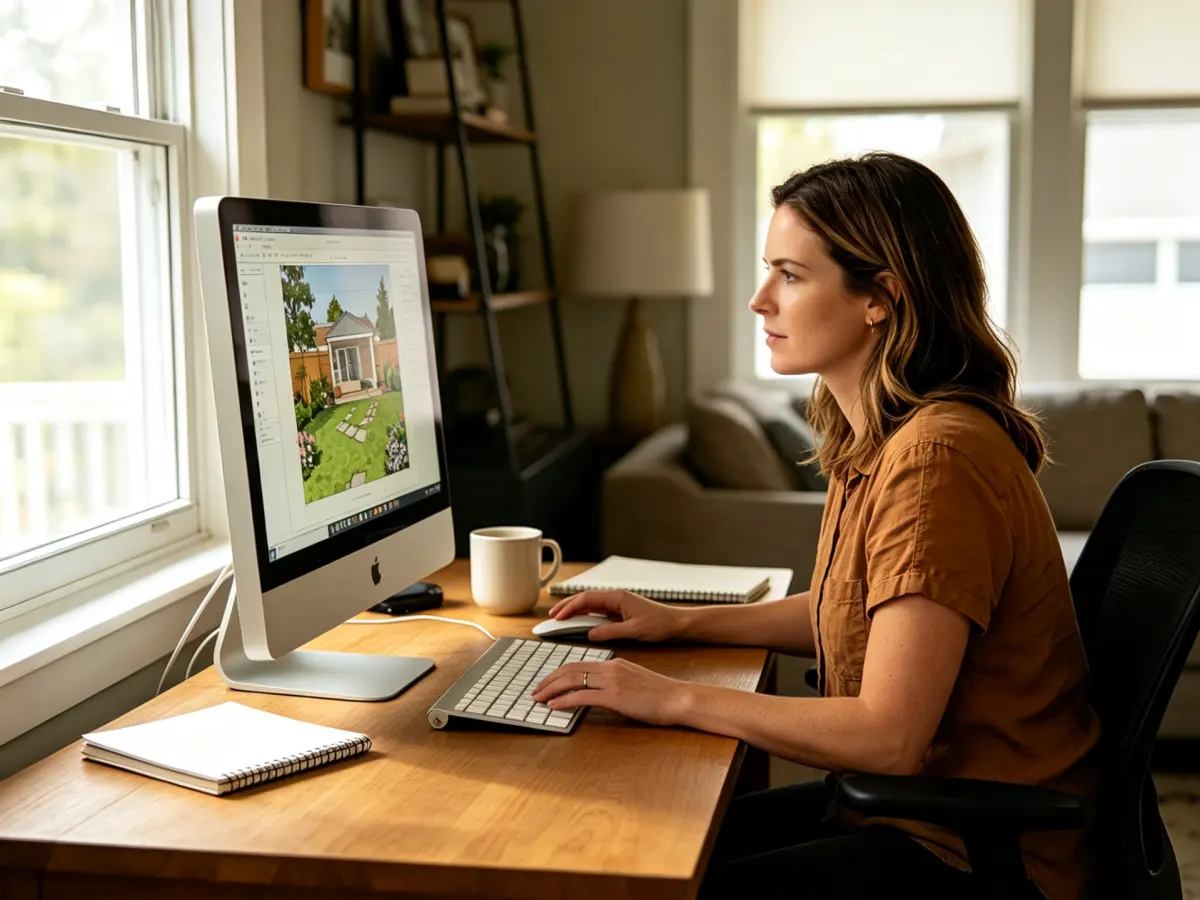
For concepts and smaller upgrades, AI offers a fast starting point: upload a photo, choose a style, and generate ideas you can refine or share. What is landscape design with AI? It is a visual planning shortcut—not a replacement for site-specific engineering—but a useful way to explore possibilities before spending money.
Frequently Asked Questions
What is landscape design?
What is landscape design? It is the planned arrangement of land, planting, structures, and outdoor features to create a functional, attractive, and site-appropriate space.
How much does landscape design cost?
A professional plan may begin around $2,000, while larger or more technical projects cost more. DIY and free AI tools can reduce the initial planning cost.
What are the principles of landscape design?
Core principles include proportion, transition, unity, rhythm, balance, and focalization. Together, they help a landscape feel coherent and easy to use.
Can I design my own landscape for free?
Yes. You can measure your site, gather references, create a wish list, and use free AI visualization tools to explore concepts. Check local requirements before undertaking structural, drainage, or utility work.
What is the difference between a landscape designer and an AI tool?
A landscape designer brings professional site analysis and technical judgment. An AI tool quickly generates visual directions, making it easier to compare ideas and start a conversation with a professional.
Conclusion: Start Designing Your Landscape Today
What is landscape design at its best? It is an outdoor space that looks natural, works effortlessly, and reflects how you actually live. Start with your site conditions and a short list of priorities, then choose a style, define zones, and build the plan in manageable phases.
Whether you work with a professional, take a DIY approach, or use AI to test ideas, designing the landscape becomes easier when you can see the possibilities first. Explore a free landscape design AI tool today and turn your inspiration into a clearer next step.
Design Your Dream Landscape for Free
Skip the guesswork and explore your landscape ideas before spending thousands on professional design. Upload your space, try different styles, and create realistic concepts with AI.