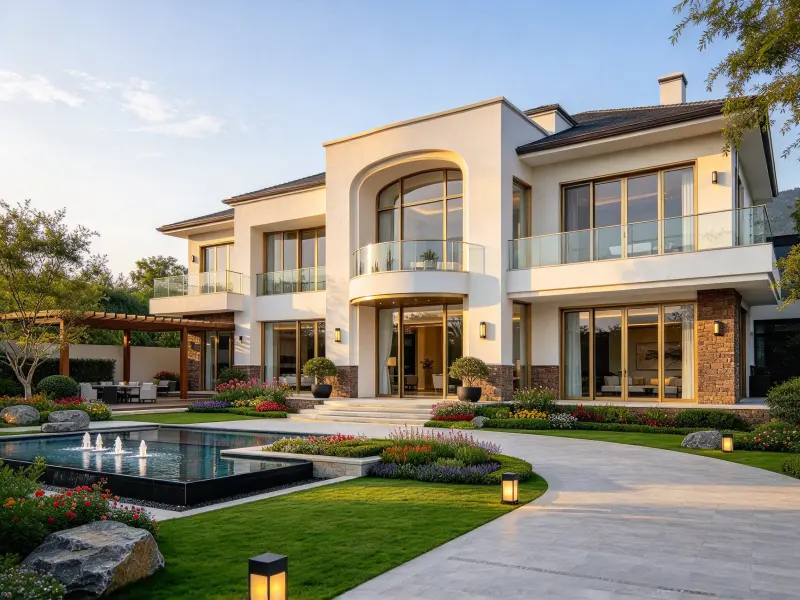
How to Renovate an Old House
Learn how to renovate an old house with tips on inspections, budgeting, repairs, exterior updates, and landscaping to preserve its charm and boost curb appeal.

Thomas Parker
Home & Garden Blogger
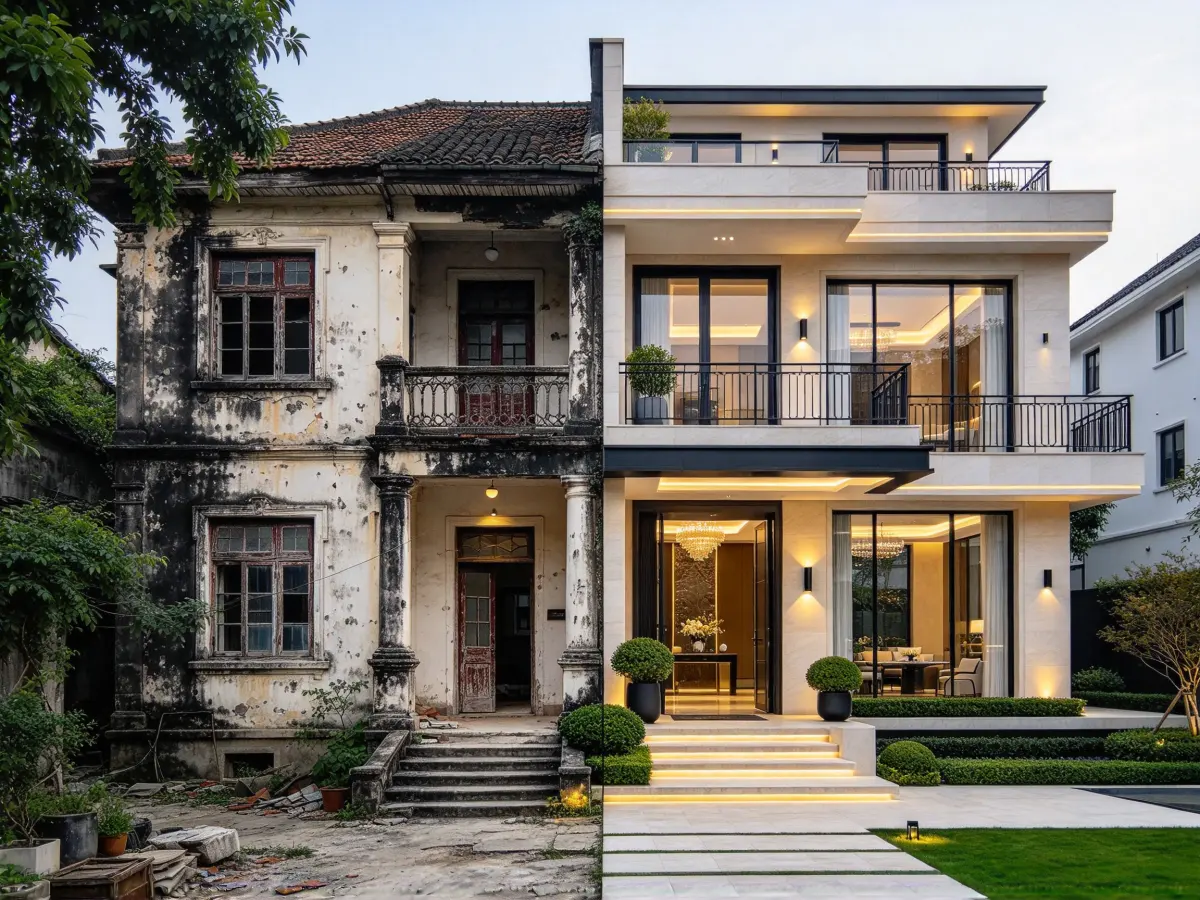
An older home can offer distinctive architecture, quality craftsmanship, and a setting that newer properties often lack. However, years of wear, outdated materials, and neglected outdoor spaces can make renovation more complicated than expected. Understanding how to renovate an old house means looking beyond fresh paint and attractive finishes to address safety, durability, and long-term value.
A successful old home renovation starts with a thorough inspection, a realistic budget, and a clear plan for essential repairs. From preserving original architectural details to exploring old house renovation ideas for the facade and garden, every improvement should complement the property's existing character.
This guide explains how to renovate an old house step by step, covering inspections, budgeting, construction priorities, exterior upgrades, and landscaping improvements to help you create a home that feels refreshed without losing its original charm.
Why Renovating an Old House Requires a Different Approach
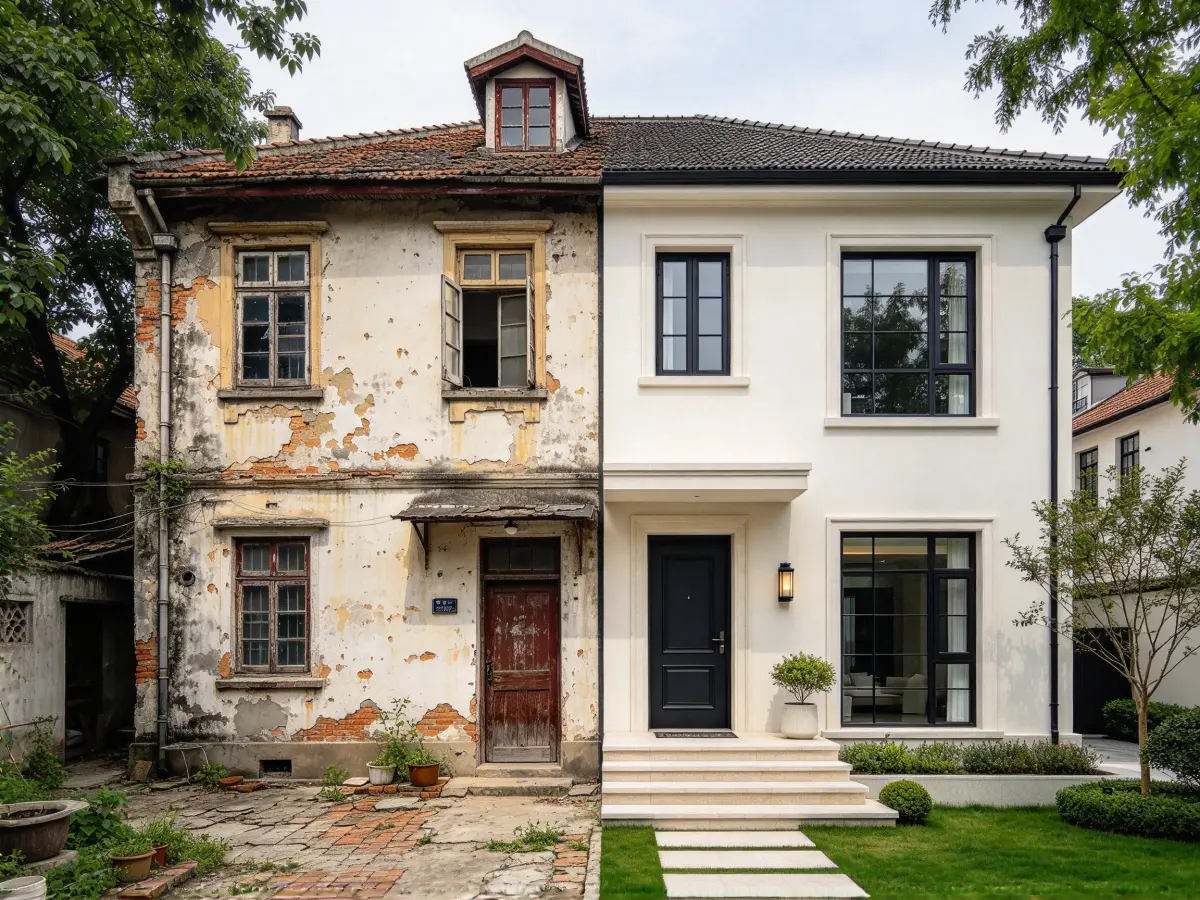
Older homes often feature original brickwork, timber details, traditional porches, and mature gardens that give them a distinctive identity.
Understand What Makes an Older Home Different
An older property may have uneven surfaces, outdated utility systems, deteriorating mortar, or materials that need specialist treatment. Previous renovations may also have introduced finishes that no longer match the original architecture.
Decide What to Preserve and What to Replace
Not every old feature needs replacing. A solid timber door, decorative trim, traditional brick facade, or established garden tree may contribute significantly to the property's appeal. Where practical, repairing these elements can be more appropriate than removing them.
The best old home renovation balances preservation with modern needs. Retain features that remain functional and structurally sound, and replace those that compromise safety, weather protection, or everyday comfort.
Inspect the House Before Starting Renovation
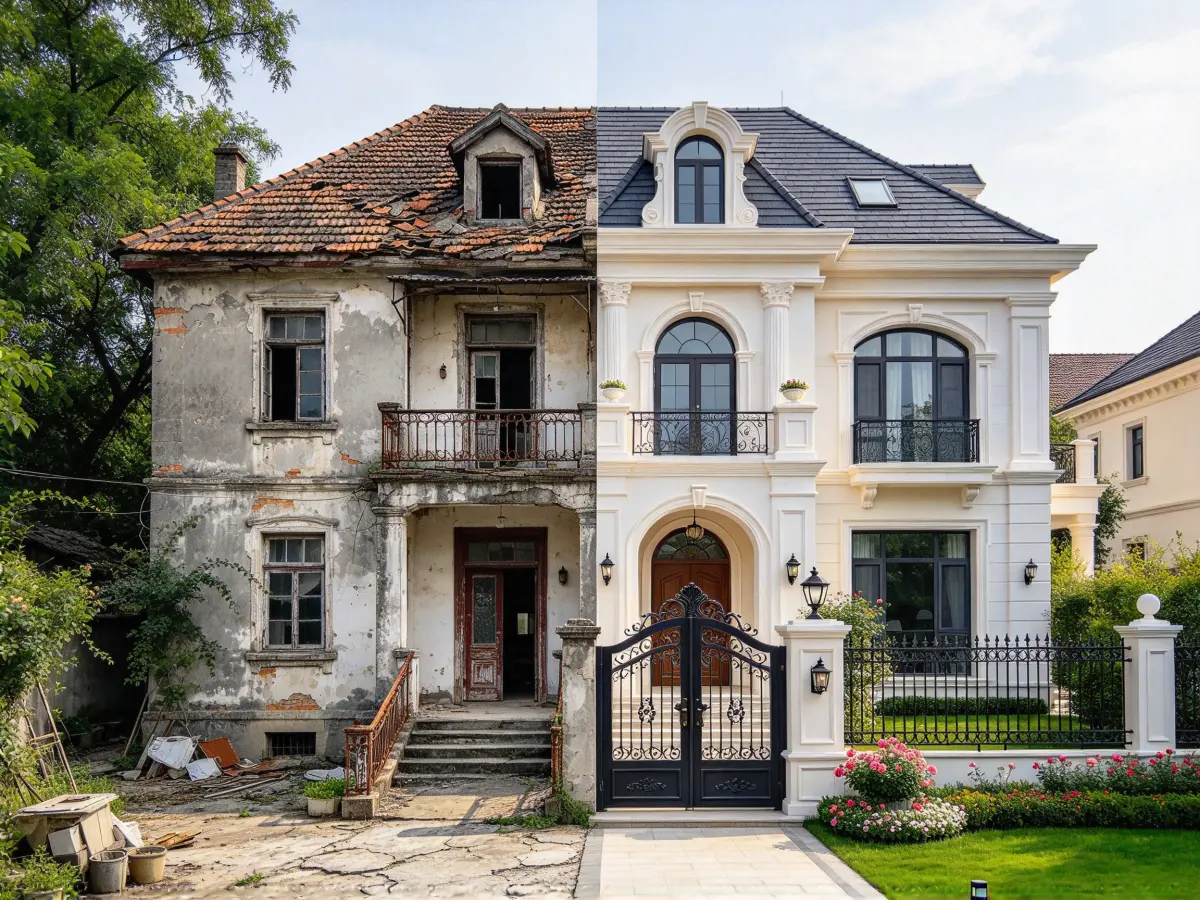
One of the most important steps in learning how to renovate an old house is understanding its condition before committing to a design or construction budget. A thorough inspection can reveal problems that might otherwise become expensive surprises.
Check the Foundation, Roof, and Signs of Water Damage
Start with the foundation, roof, exterior walls, and drainage around the property. Look for significant cracks, sagging roof sections, damaged flashing, deteriorating mortar, peeling paint, and persistent dampness. Water stains near ceilings or windows may indicate leaks that require further investigation.
Review Essential Systems and Safety Hazards
Older electrical wiring, plumbing, heating, and ventilation systems may need professional assessment. Lead-based paint and asbestos-containing materials may also be present in some older properties. Have suspected hazardous materials assessed by qualified professionals before disturbing them.
Arrange Professional Inspections When Needed
A general home inspector can identify potential concerns, while a structural engineer, licensed electrician, or plumber can investigate specific problems. If the property is historically protected, check local preservation requirements before changing its exterior.
Set Your Renovation Goals and Create a Realistic Budget
A clear plan makes an old home renovation easier to manage. Instead of attempting every improvement at once, establish priorities, estimate costs, and decide which projects can wait.
Define the Scope of Your Renovation
Divide your plans into essential repairs, important improvements, and optional upgrades. Essential work may include structural repairs, roof replacement, drainage improvements, or unsafe electrical systems. Important upgrades might involve exterior finishes, windows, doors, and the entrance. Decorative planting, garden edging, and additional lighting can often be completed later.
Estimate Costs and Keep a Contingency Fund
Depending on the property's condition and project complexity, consider reserving approximately 10%–20% of your initial estimate for unexpected expenses.
When renovating an old house on a budget, focus on essential repairs, retain usable original materials, and avoid unnecessary structural changes. Compare detailed contractor quotes rather than choosing the lowest price automatically. Planning improvements in phases is useful when renovating an old house on a budget.
Compare Quotes Before Starting Major Work
Ask contractors to explain what each estimate includes, from preparation and repairs to cleanup and disposal. Confirm material specifications, payment schedules, warranties, and how unexpected damage will be handled.
Plan the Renovation in the Right Order
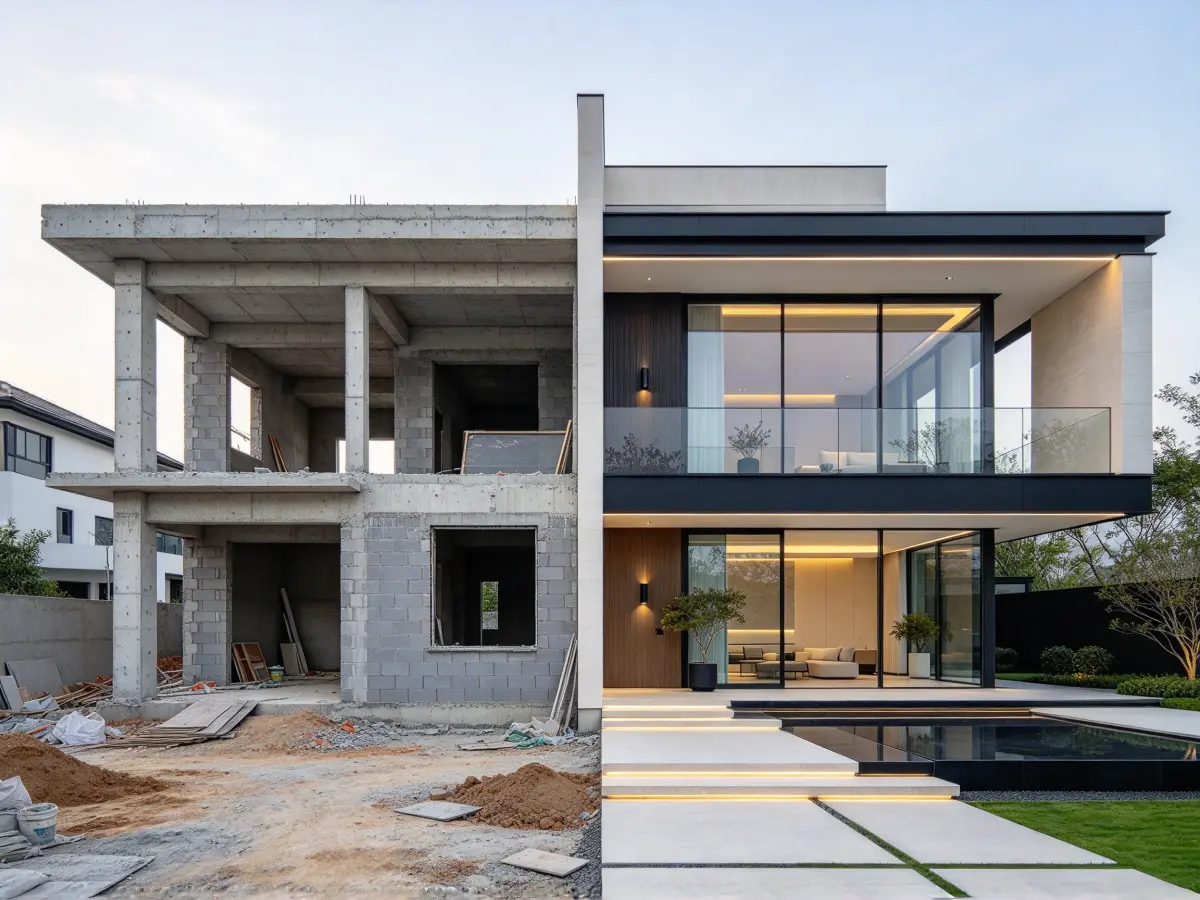
Knowing how to renovate an old house also means understanding the sequence of work. Even a well-designed project can become expensive if finished surfaces are damaged by later repairs or essential problems emerge after landscaping is complete.
Follow a Practical Renovation Sequence
A sensible order is to inspect the property, finalize the design, obtain necessary approvals, repair structural problems, and address essential systems. Next, secure the roof and exterior envelope, complete major interior and exterior work, and finish with decorative details and landscaping.
For example, correcting drainage before installing a new front walkway can prevent water damage and reduce the risk of removing recently completed paving.
Coordinate Contractors and Materials
Confirm measurements and material choices before ordering products that cannot easily be returned.
Decide Which Tasks You Can Handle Yourself
Cleaning, basic garden maintenance, and straightforward decorative work may be suitable for experienced homeowners. Structural alterations, electrical work, hazardous-material removal, and other regulated tasks should be handled by qualified professionals.
Repair the Structure and Upgrade Essential Systems
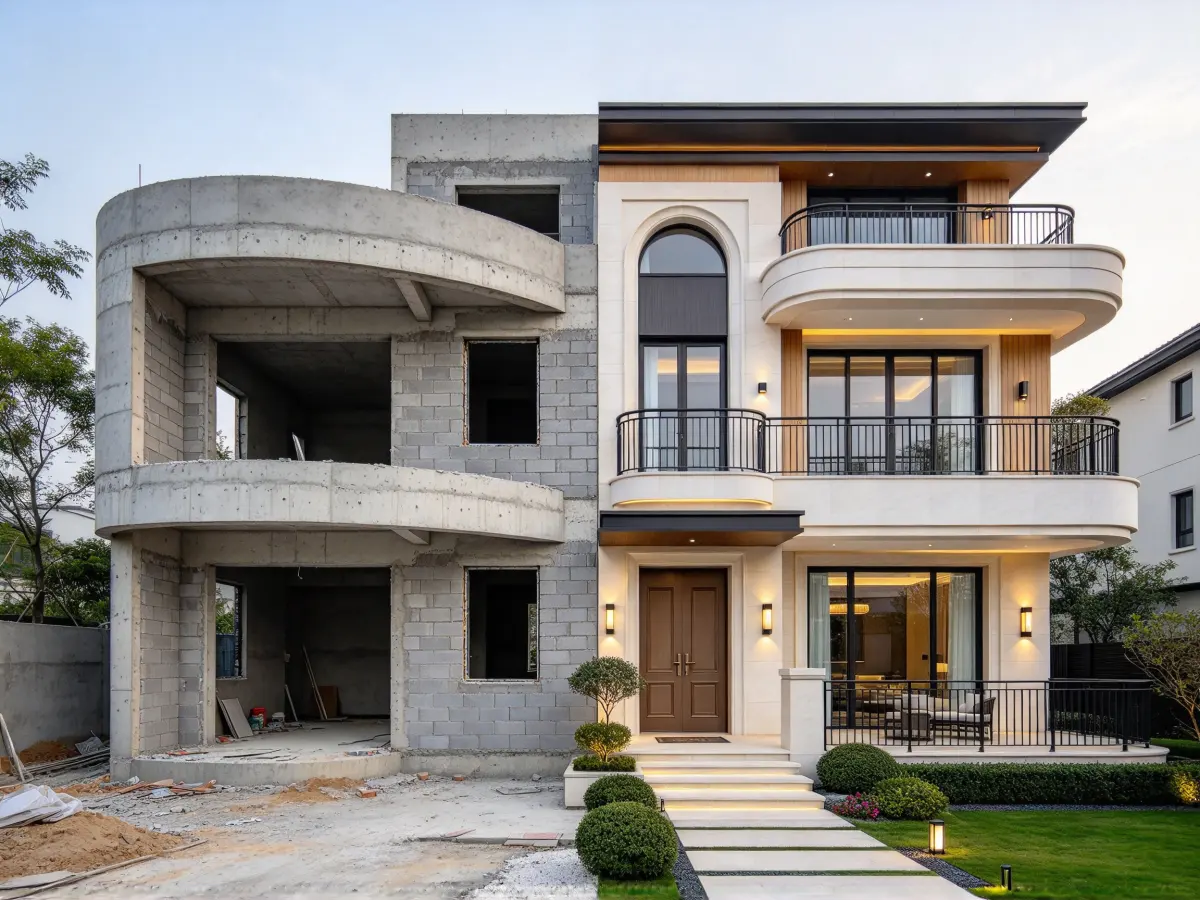
Before exploring decorative old house renovation ideas, make sure the building is sound and protected from the elements. Attractive finishes cannot compensate for a leaking roof, unstable structure, or persistent moisture problem.
Fix Structural Problems Before Cosmetic Updates
Address confirmed foundation issues, damaged framing, roof defects, and deteriorating exterior materials according to professional recommendations. Repairs should target the cause of the problem rather than simply covering visible damage.
Improve Weather Protection and Energy Performance
Inspect windows, exterior doors, roof insulation, ventilation, and weather seals.
Choose solutions compatible with existing materials. Traditional masonry, for example, may require moisture-compatible repair products rather than impermeable coatings that trap water.
Prioritize Durability Over Short-Term Appearance
Knowing how to restore an old house starts with identifying which original materials can be repaired rather than replaced. Preserve sound brickwork, timber details, and traditional features wherever practical, while addressing structural damage and moisture problems first.
Choose compatible repair materials and proven installation methods to protect the building's character. Durable repairs, effective drainage, and regular maintenance generally provide better long-term value than inexpensive finishes that require frequent replacement.
Preserve Architectural Character While Updating the Design
The best old house remodeling ideas improve a property's appearance without making it feel disconnected from its original architecture. A coherent design begins with the features that already define the house.
Identify the Home's Architectural Style
Look at the roof shape, window proportions, facade symmetry, entrance design, exterior trim, and original materials. A cottage, Victorian home, farmhouse, and midcentury property each have different architectural characteristics.
Coordinate Colors and Exterior Materials
Brick, wood, stone, stucco, and metal can work together, but their textures and tones should create a consistent visual relationship.
Test paint samples in different lighting conditions before committing to a full repaint. When replacing damaged materials, consider whether the new finish will weather similarly to the existing facade.
Modernize Without Erasing the Home's Identity
Updated lighting, repaired railings, refreshed doors, and carefully selected hardware can make a home feel more current without removing its character. Where original windows, doors, or decorative elements remain serviceable, restoration may be preferable to replacement.
Refresh the Exterior with Practical Old House Renovation Ideas
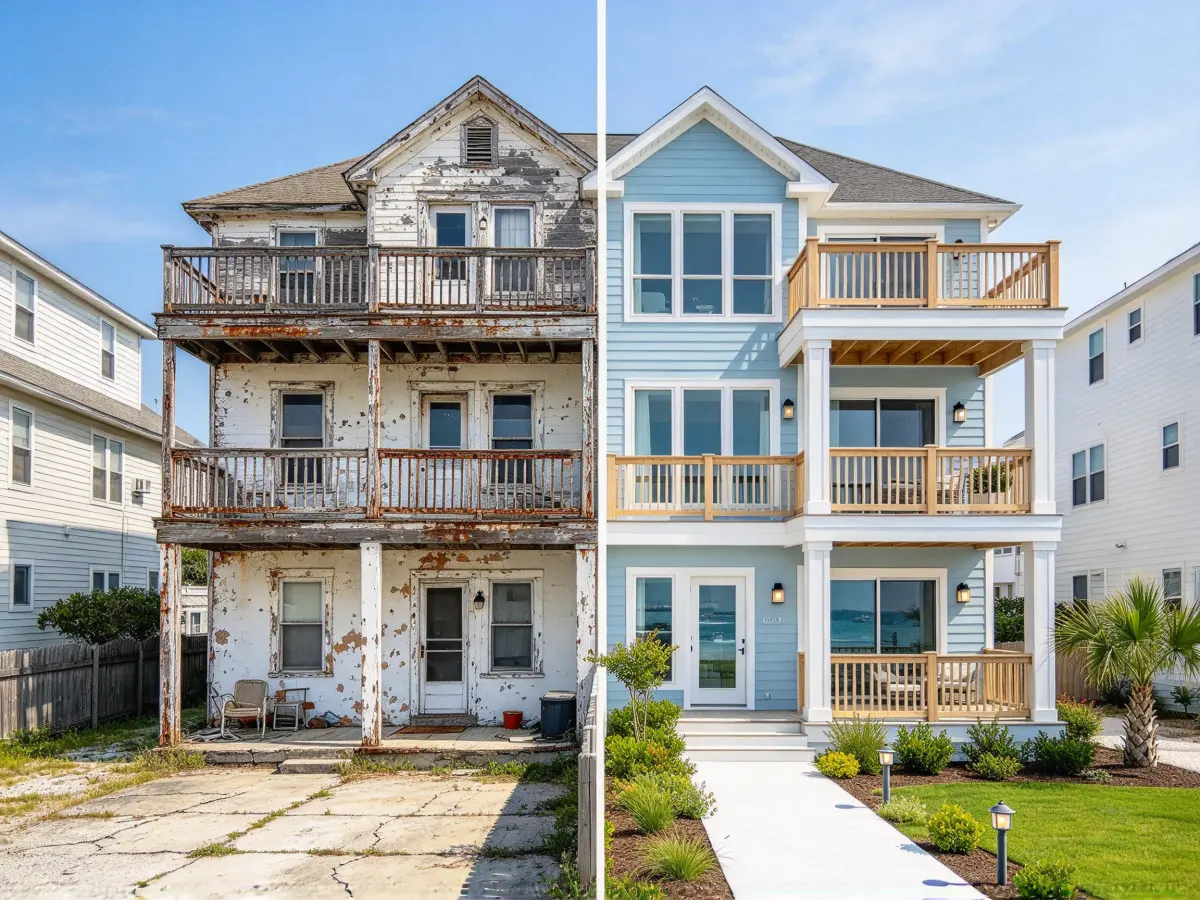
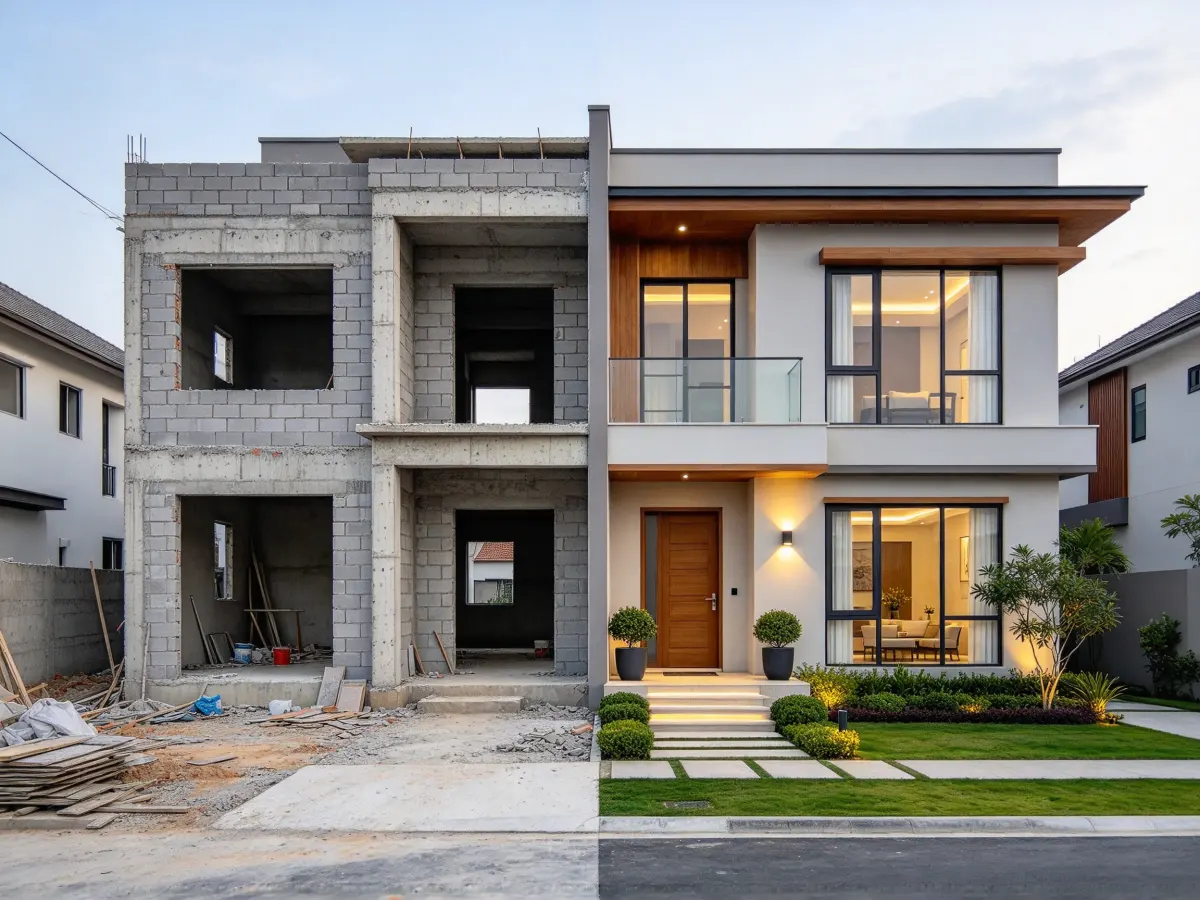
Exterior improvements often make a noticeable difference because they influence the entire first impression of a property. The most effective old house exterior renovation ideas address the facade, roofline, windows, entrance, and surrounding details as parts of one coordinated design.
Update Siding, Brickwork, and Exterior Paint
Start by identifying damaged siding, loose mortar, deteriorated render, or areas where previous repairs have created inconsistent finishes. Repair the underlying surface before applying paint or new cladding.
For painted siding, a coordinated color scheme can refresh the house without changing its structure. For traditional brick, cleaning and compatible mortar repairs may be more appropriate than painting over the original surface. Always consider the material's condition and moisture behavior before choosing a treatment.
Improve Windows, Doors, Roofing, and Trim
Windows and doors influence both the appearance and proportions of an older facade. Repairing frames, renewing weather seals, repainting trim, or restoring the front door may be sufficient. If replacement is necessary, choose designs that respect the original opening sizes and architectural style.
Make the Front Entrance More Welcoming
A well-maintained entrance connects the house to the front yard. Consider repairing steps, refreshing the porch, improving lighting, updating door hardware, and creating a clear route to the front door.
These old house exterior renovation ideas can improve the property's appearance without requiring a complete exterior reconstruction. Prioritize repairs and details that work together rather than adding decorative features without a clear plan.
Preview Exterior Changes Before Construction
Landscape Design AI allows homeowners to upload a property photo and explore AI-generated exterior redesign concepts.
Use these visualizations to compare design directions and communicate preferences with contractors. Treat them as visual references rather than construction specifications, since actual dimensions, structural conditions, material compatibility, and local requirements still need to be verified.
Improve the Front Yard and Outdoor Landscape
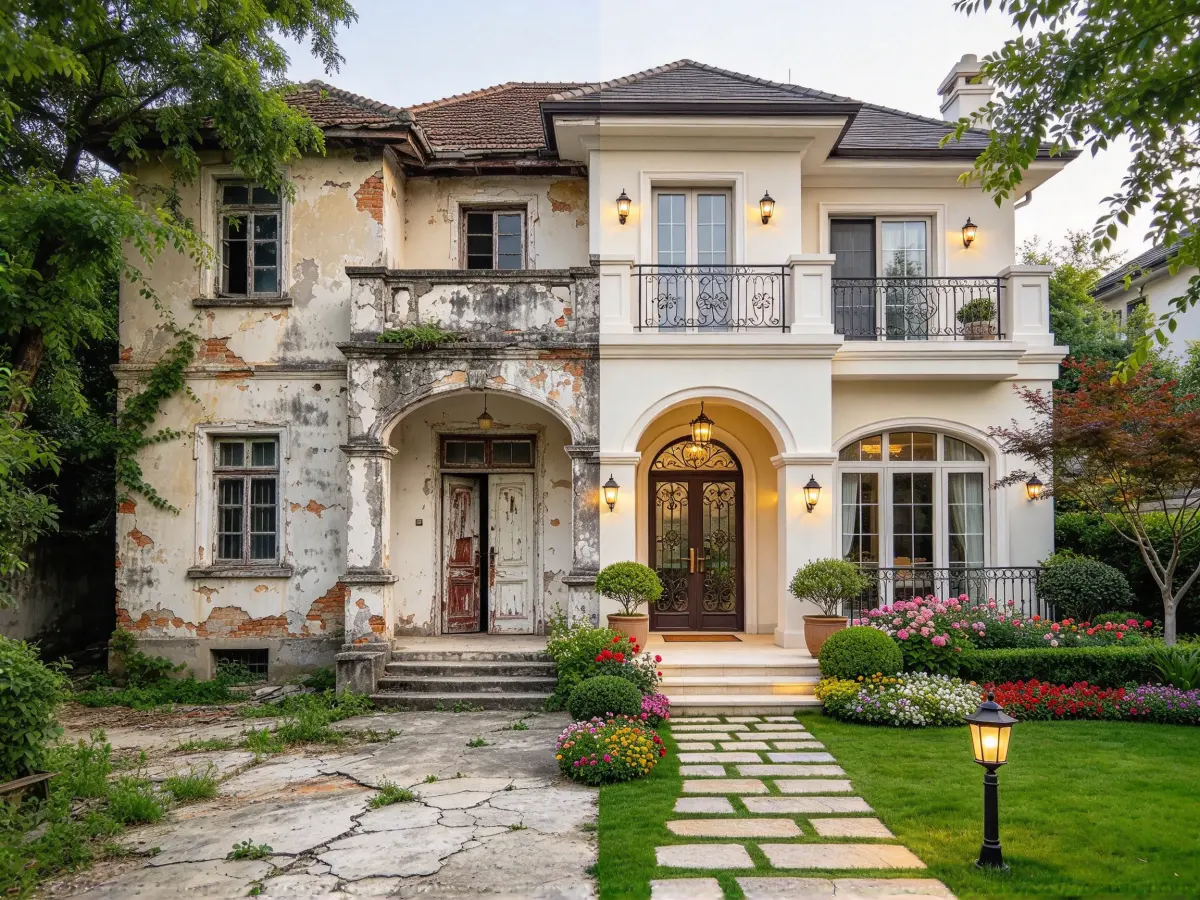
A renovated house can still feel unfinished if the garden is overgrown, the entrance path is unclear, or outdoor materials clash with the facade. Improving old house curb appeal means treating the building and its front yard as one coordinated design. A clear walkway, balanced planting, attractive entrance lighting, and well-maintained exterior finishes can make the property feel more welcoming without requiring a complete landscape redesign.
Create a Clear Path to the Front Door
A defined walkway helps visitors approach the entrance comfortably. Depending on the home's style, consider brick pavers, natural stone, concrete, or suitable gravel. Choose a layout that complements the building rather than competing with it.
Refresh Planting Beds Without Overcrowding the Yard
Remove dead growth, trim overgrown shrubs, and retain healthy mature trees where appropriate. Introduce plants in layers, using ground covers, compact shrubs, and seasonal flowers to create structure without obscuring the facade.
Choose species suited to local climate, sunlight, soil, and available maintenance time. Leave sufficient space between plants and exterior walls to support inspection, ventilation, and routine upkeep.
Add Lighting and Low-Maintenance Features
Path lights, a well-lit entrance, tidy garden edges, and a few carefully placed planters can make the front yard more inviting. Together, these details strengthen old house curb appeal without overwhelming the facade.
Visualize Different Landscape Layouts
If you are unsure how to arrange the yard, explore several concepts before construction. Landscape Design AI can help visualize alternative planting arrangements, pathways, and outdoor styles using an existing property photo.
Avoid Common Old House Renovation Mistakes
Starting Cosmetic Work Too Early
Painting the facade, installing new paving, or redesigning flower beds before fixing leaks and drainage can lead to repeated work. Resolve the underlying causes of damage first, then complete the visible improvements.
Mixing Materials and Styles Without a Clear Plan
Too many exterior colors, unrelated paving materials, and inconsistent window or trim styles can make a renovation look disjointed. Before purchasing products, establish a simple design palette and check how each material relates to the house.
Underestimating Permits and Maintenance
Depending on your location, exterior changes, structural work, tree removal, and properties in historic districts may require approval. Confirm local requirements before starting work.
Also consider maintenance when comparing options. A finish that looks attractive initially may require frequent cleaning, repainting, or repair. Good old house remodeling ideas should improve the property while remaining practical over time.
Finish the Project and Plan for Long-Term Maintenance
The final stage of learning how to renovate an old house is making sure the completed work performs as intended. A renovation is not finished simply because the property looks better in photographs.
Review Work Quality Before Final Sign-Off
Walk around the property and inspect completed repairs, exterior finishes, doors, windows, drainage, steps, and paths. Confirm that agreed work has been completed, outstanding issues are documented, and relevant inspection records and warranties are available.
Create a Seasonal Maintenance Checklist
Schedule regular checks of the roof, gutters, exterior paint, masonry, window seals, and garden drainage. Trim plants away from vulnerable surfaces and address small defects before weather causes further deterioration.
Measure Success Beyond Appearance
A successful old home renovation preserves what makes the property distinctive while improving safety, durability, comfort, and everyday usability. The best results come from informed decisions, realistic budgeting, and a design that connects the building with its outdoor environment.
If you are still deciding how to renovate an old house, begin by assessing the property's condition, prioritizing essential repairs, and developing exterior and landscaping plans around your most important goals. If you are deciding how to restore an old house, use the same principle: protect sound original features while correcting the problems that threaten the building. With a clear sequence and a thoughtful design, renovating an old house can transform a neglected property into a home that feels refreshed while remaining true to its original character.
Ready to Transform Your Old House?
Bring your old house renovation ideas to life with AI. Visualize refreshed exteriors, upgraded facades, and inviting outdoor spaces before committing to costly changes. Explore new design possibilities and plan your next renovation with confidence.